CARA KERNOWEK 4 PART ONE
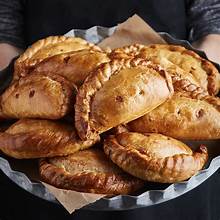
Image: Warrens Bakery
You can download this book in pdf format here
or scroll the whole book as webpage text
Contact us for a copy by email if you encounter any problem downloading the pdf from the website
© 2026 Ian Jackson
Revived Cornish on the principle of tota Cornicitas
Taking account of all the evidence for historical Cornish
Common European Framework of Reference for Languages
Level B2 (Vantage, Higher Intermediate)
RAGLAVAR
FOREWORD
Cara Kernowek Book Four is the last in the Cara Kernowek series of coursebooks designed for motivated adults learning revived traditional Cornish with a teacher or by self-study. The first three Cara Kernowek books introduced most of the grammar of the language, and Cara Kernowek Book Four assumes the student (and any teacher) will already be familiar with this earlier coverage. Students can now be guided through the challenge of tackling more complex material that deals with a range of circumstances from everyday life. There is also an emphasis on beginning to appreciate good writing in Cornish, including Passyon agan Arlùth (the ‘Passion Poem’) that is the pinnacle of achievement in historical Cornish literature.
The situations presented in the various exercises are set in the same slightly modified universe of the previous Cara Kernowek books, where Cornish is already the language of the home and work for a significant minority of people in Cornwall.
There is currently no GCSE or A Level qualification in the Cornish language. Books One and Two of the Cara Kernowek series are intended to cover the same sort of ground as might be expected for a GCSE in traditional Cormish. Likewise, one could consider the whole Cara Kernowek course, Books One to Four, as likely approximating the requirements of an A Level or International Baccalaureate in traditional Cornish if such qualifications were established.
I am ever grateful to Nicholas Williams and Michael Everson for their advice and support, and to Professor Williams in particular for allowing me to incorporate extracts from several of his translations. I should like to thank my students who road-tested the book, especially Dominic Ó Ceallaigh and Kyle Odgers.
Ian Jackson, MA (Cantab), MA (Oxon), QTS
lovinglivingcornish, February 2026
**********
CONTENS
CONTENTS
Lesson 1
Containing Exercises 1 - 6
More about adjectival phrases; descriptive writing; alliteration in all forms of Cornish; pairing of nouns / adjectives; correspondence
Lesson 2
Containing Exercises 7 - 10
Adverbs of position, direction, motion; prepositions from adverbs; literary tenses of mos and dos; literary prose in revived Cornish
Lesson 3
Containing Exercises 11 - 16
Continuing event or state measured from its beginning; translations by Nicholas Williams; inflected forms of don; inflected forms of dry; verse translation
Lesson 4
Containing Exercises 17 - 21
More anecdotal story-telling; unaffected stem vowels in the inflected preterite tense
Lesson 5
Containing Exercises 22 - 27
Constructions yw genef summarized and contrasted; conversational Cornish; phrases for conversation; more about inflected preterites: the you-singular form; more revision of bos; quasi-verb pew ‘possess, own’; psychological intensity in fiction; saying ‘immediately’
Lesson 6
Containing Exercises 28 - 30
Plural of nouns ending in as; more about Caradar; Tristan hag Isolt; Lethesow
Lesson 7
Containing Exercises 31 - 35
Pathos in prose; taking care with collective nouns; more about inflected imperfects
Lesson 8
Containing Exercises 36 - 40
Verbs that are exclusively intransitive; oratory
Lesson 9
Containing Exercises 41 - 45
Inflected preterite tense with ending ys instead of as; literary allegory; orth versus ow (owth); beach conditions; sixteen points of the compass; alternating gender in measures of time and non-metric length
Lesson 10
Containing Exercises 46 - 50
Colloquial Cornish in literature; copula imperfect tense of bos in colloquial Cornish; Second State of gr; more about mutation of gw
Lesson 11
Containing Exercises 51 - 55
Colloquial Cornish in literature – the historical record; more triadic folklore; words for wisdom etc; checklist of inflected comparatives; superlative idea expressed with comparative; Cornwall’s dangerous coast
Lesson 12
Containing Exercises 56 - 60
Cornish poetry – the historical record; archaic grammar
Stagell - Appendix: Ordyr Geryow - Word Order
Gerva - Vocabulary:
See separate entries on the Courses page of this website for the consolidated vocabulary section of this Book Four and for accompanying spellings in the International Phonetic Alphabet
No artificial intelligence was used in the writing of this book
**********
LESSON ONEN
LESSON ONE
Vocabulary
Here are some more new words.
estrednek foreign, Evrok York, kerens pl close kin (often, but not inevitably, parents), legryans m corruption, longus belonging, paragraf m paragraph
‘Commerce’ is kenwerth, a borrowing into Cornish from Breton. It is one of only a few words that employ the reinforcing prefix ken, a variant of the much more common prefix ke; and kenwerth is masculine, although the basic word gwerth ‘sale’ is feminine in Cornish. We encountered Chy an Kenwerth ‘The Chamber of Commerce’ in Book Three.
Practys Onen - Exercise One
Obma y kefyr trailyans a’n kensa paragraf a’n novel Robinson Crusoe gans Daniel Defoe (1719).
My a veu genys i’n vledhen 1632, i’n cyta Evrok, ha’m teylu o onen dâ, kyn nag o longus dhe’n wlas-na, awos ow thas dhe vos den estrednek a Bremen, ha trigys wostallath in Hull. Ev a wainyas stât dâ dre genwerth, ha warlergh ev dhe omdedna a’n chyffar y feuva trigys in Evrok. Ena y whrug ev demedhy ow mabm, ha’y herens hy o henwys Robinson, teylu pòr dhâ i’n wlas-na, ha my rag hedna cries Robinson Kreutznaer; saw der an legryans yw ûsys in Pow an Sowson, ny yw lebmyn cries, nâ, yth eson ny orth agan cria gàn honen hag ow scrifa gàn hanow, Crusoe, hag indelma pùb termyn y fedha cowetha orth ow cria vy.
Translation © 2026 Ian Jackson
The passage contains six tenses of the verb bos: present copula (short form), present local (long form), imperfect copula (short form), imperfect local (long form), imperfect habitual, preterite. Check back in the previous three coursebooks if you are in doubt about the different circumstances in which each of these tenses is used.
Vocabulary
Here are some more new words.
drogdybysak m suspect, dùstuny m witness (also evidence), gwybya v dart, sprint, helerhy v detect, ladrans m theft, loos grey, merk m mark, brand, ôp m ope, alley, ownek frightened, pel vas f baseball, sewt resegva m tracksuit
Police CID ranks: constâbyl helerhy ‘detective constable’, serjont helerhy ‘detective sergeant’, arolegyth helerhy ‘detective inspector’ (optionally arolegydhes helerhy if female), avîsyor helerhy ‘detective superintendent’ (optionally avîsyores helerhy if female)
Practys Dew - Exercise Two
Yma S.H. Ella Brock, Creslu Densher ha Kernow, Trûrû, ow whythra ladrans a wharva in cres an dre. Obma why a yll redya radn a’y scrif pàn wrug hy keswel gans benyn yw onen a’n lies dùstuny.
“An dùstuny a dherivys orthyf fatell esa hy ow kerdhes i’n Strêt Arâg wor’tu ha gorsaf an bùssow pàn welas den ow tones in udn fysky in mes a shoppa an fônow skentyl. Hy a lavaras cudhlen dhe vos wàr y fâss hag ev ow sensy sagh dyllas, o brâs ha du. Yth eson ny ow cresy bos hebma, dre lycklod, sagh sport a’n merk Puma®, awos an dùstuny dhe remembra hy a wrug aspia pyctour a gath wydn, ow ponya, wàr an tenewen. Hy a styryas fatell savas hy stag, pòr ownek, drefen hy dhe gonvedhes yth o lader heb mar, ha hy ow predery y vos ervys pàr hap. Hy a dhescrefas an den dell o yonk, crev y gorf, cres y hës, ha gwyskys in sewt resegva, onen loos, skyjyow sport o plos, ha cappa pel vas – nyns yw hy sur a’n colour, gwer martesen. Blew an den yw hir, ha hy certan y bosans gorm. An dùstuny a wrug confyrmya an drogdybysak dhe wybya dres an strêt, may feuva gyllys mes a wel i’n ôp usy ow corra dhe’n park kerry.”
The passage contains many examples of affirmative indirect statement. Check back in Lessons Fourteen, Fifteen and Sixteen of Book Two if you are unsure of the various ways in which such indirect statements are constructed. You will find an English version of the passage among the model answers for this Lesson on the lovinglivingcornish website. Try putting it back into Cornish, without looking at the original. How did you do?
Vocabulary
Here are some more new words.
abrans m eyebrow, arlyw m shade, tint, askellek winged, balek jutting, bojek bushy, bond codna m collar, breselus quarrelsome, brith speckled, streaked, challa m jowl, frobmans m agitation, gell (light) brown, glew bright, intense, jolyf jolly, cheerful, kil m back, ledrek sloping (also biased), lescans m swaying, minvlew col moustache, onest decent, pegans m means (money), pesky v feed, stag fixed, syker strong drink, spirits, tacluster m neatness, tewl dark, ton m tone (also tune), wherow bitter
The verb-noun godhvos is employed as an ordinary masculine noun meaning ‘knowledge’; compare skians which is discussed in Lesson Eleven.
The ‘back’ of a person or an animal is keyn, and this word is also used analogously for things like chairs. We use kil to mean ‘back’ in a more general sense. We have already encountered kilva ‘background’ in Book Three.
Pesky is confined to animals, and humans figuratively (with a negative nuance). Boosa is not usually employed of feeding people, for which the positively nuanced verbs are maga or noryshya. We use methy for feeding babies; also for catering! Mêthryn is an older form of this word, nowadays largely confined to the fixed phrase scol vêthryn ‘nursery school, pre-school’; one of the few expressions in which we find a verb-noun put into Second State because it is functioning as an attributive adjective with a feminine singular noun – an example of the occasional tendency of initial m to mutate even when there is no strict grammatical reason for it. Compare the phrase in pan vaner. The Second State in scol vêthryn can be attributed to the influence of Welsh ysgol feithrin.
More about adjectival phrases
Here are some adjectival phrases. They have all been drawn from the first three chapters of An Nawnjek Stap warn Ugans – that is, the Cornish translation of John Buchan’s The Thirty-nine Steps – along with the English original in each case.
arlyw gell y fâss brown complexion, askellek y stap with wingéd step (quotation from Milton), balek y jalla prognathous, bojek y abrans with bushy eyebrows, brâs y frobmans in great excitement, brâs y vyns big, breselus y don pugnaciously (someone talking), brith y lagas wall-eyed, coynt y deythy queer (of a smell), dâ y begans pretty well off (of a man), freth y davas volubly (someone talking), glewa y wolok his eyes brightening, gwanbeskys y vinvlew with an ill-nourished moustache, gwydn y fâss white-faced, heudh y jer cheerily (someone talking), jolyf y lescans jaunty (someone’s walk), kil-ledrek y dâl with a retreating brow, marow re y syker perished from too much alcohol, meur y dacluster spick and span, meur y dalent a great hand (at something), meur y les greatly interested (in something), meur y wodhvos familiarly (talking about other people), onest y sawor honest-smelling, stag y lagasow staring (of a corpse), stag y vond codna with a collar (of a shirt, at a time when collars were often separate), tew y boblans over-thick with population, tewl y lagas dark-eyed, uvel y vaner humbly, wherow y edrek in bitter regret, yonk y lev with a young voice
Check back in Lesson Eleven of Book Two if you are unsure how an adjectival phrase is constructed. Remember that any possessive pronoun is possible as the middle element, depending on who or what is being described.
Adjectival phrases play a very significant role in good Cornish; there are literally thousands of possibilities for combining adjectives with nouns to create them; and they often depend on context for their precise meaning. They can be employed as adverbs; in this usage they are never preceded by yn. They may sometimes be primarily a stylistic device: for example, brâs y vyns as an equivalent of simple brâs.
The best starting-point to develop your own rich stock of adjectival phrases will be the adjectives brâs and meur. As a simple adjective meur occurs relatively infrequently in modern Cornish, except in a few fixed phrases like meur ras ‘thank you’ – we mostly encounter it as an intensifier with comparatives: meur moy ‘much more’; and as a quantifier: meur a ‘a lot of’. In adjectival phrases, though brâs and meur are interchangeable, meur is generally more common than brâs when the sense is magnitude rather than straightforward physical size. So brâs y frobmans, for instance, would more usually be meur y frobmans; and meur y les might less frequently be brâs y les.
Meur (brâs) y les is a good example of the importance of context. It can be used of someone who is ‘greatly interested’ in something’; more frequently, it is found in the sense of something that is ‘very interesting’ to someone. Likewise meur (brâs) y vern used either of someone who is ‘very concerned’ about something or (again, more frequently) of something that is ‘very important’ to someone.
Lies as a simple adjective is followed by a singular noun, but a plural noun is employed with it in an adjectival phrase. For example, lies meryt ‘many merits’, lies y verytys ‘meritorious’. Lies is also used as an adjective-building prefix corresponding to English ‘multi’; liesleur ‘multistorey’ for instance.
Vocabulary
Here are some more new words.
anal m & f breath, berr short, carnalyta m sex (sexual attractiveness / activity), colonyow pl innards, intestines, dysplegyans m development, gwredhen f root, lordyans m domineering, norter m upbringing, noth naked, ôpyn open, stoppya v stop up, trogh broken (often figuratively), whethfy v swell, bubble
The verb-noun gweles is employed as an ordinary masculine noun meaning ‘sight’.
‘Open’ by nature is ôpyn. For something that opens and closes (a door, for example) ‘open’ is egerys, which may also be used figuratively.
Stoppya can be used figuratively to mean ‘stop’ an action or movement, usually with some sense of forcefulness, as we observed in Exercise Two.
Whethfy has a variant hothfy that we met in the advertisement for a jacuzzi in Book Three. The former might be kept for ‘swell’ and the latter for ‘bubble’. But it is important to realize that although in English these meanings are distinct, in Cornish they are just aspects of a single idea, and a particular Cornish speaker may use just one of the forms, or mix them merely for stylistic reasons.
Practys Try - Exercise Three
What do you think the following adjectival phrases might mean in a suitable context?
berr y anal, bohes y dhysplegyans, bohes y wovenek, brâs y brow, brâs y golon, brâs y gòst, cales y bedn, cledh y dhêwla, cler y bedn, dâ y golon, dâ y norter, dâ y vanerow, down y wredhyow, drog y gnas, drog y jer, efan y vrës, êsy y gowethas, Frynkek y davas, gwag y dhêwla, gyllys y wyns, hager y dros, hir y davas, isel y godna, isel y spyrys, kellys y lyw, lybm y lagas, melen y vlew, meur y dednvos, meur y dhynyta, meur y lordyans, meur y roweth, meur y skians, noth y dreys, ôpyn y dhorn, ôpyn y garnalyta, pell y vrës, plos y vrës, rych y awen, scav y bedn, stoppys y golonyow, teg y semlant, trogh y golon, tyckly y styr, uhel y bris, uhel y dhewfrik, uthyk y weles, wheg y sawor, wheg y weles, whethfys y gows, yêyn y woos
Other frequent adjectival phrases we have already met include meur y bris ‘important’, meur y hanow ‘renowned, famous’, meur y valew ‘valuable’, tanek y golon ‘enthusiastic’ (tanek ‘fiery’). Another common phrase, which must be understood as a metaphor, is gwydn y vÿs (less often as a single-word adjective gwydnvÿs) meaning ‘fortunate, well off’.
Practys Peswar - Exercise Four
How might you express the following ideas as an adjectival phrase in Cornish?
blue-eyed, broke, childishly, high-heeled, in a fit of fury, insincerely, middle-aged, more optimistically, to a traditional recipe, with a healthy appetite
It is worth emphasizing that the first element of an adjectival phrase must be an adjective (or an adverb functioning as an adjective); it cannot be a noun. For instance, we encounter in Chapter 3 of An Nawnjek Stap warn Ugans a river that is described as gorm y golour kepar ha coref ‘porter-coloured’. It would not be correct to substitute coref gorm y golour – this could only be a genitive construction meaning ‘porter of its colour’ which makes no sense. We must however acknowledge that this rule is occasionally broken when ambiguity is unlikely in practice.
Vocabulary
Here are some more new words.
air m air, alês widely, amal m edge, rim, androw m late afternoon, astronomek astronomical, chêson (also achêson, ocasyon) m occasion, reason, clôsya v close in, contrast m contrast, cow hollow, cowethyans m association, relationship (also organization), crèn m shiver, trepidation, dargana v foretell, dëdhdardh m daybreak, dhe wir phr truly, really, duder m blackness, gloom, dworenos at dusk (also masculine noun ‘dusk’), dyblans distinct, dyfeth m desert, waste, dyppa m dip, hollow, ebron f sky, effeth m effect, eythyn col furze, gorse, fagas col faggots, fyrmament m firmament, fysment m countenance, glasny m greenness (of vegetation), glory m glory, gwadnwosek pallid, gwydnyk whitish, pale gwylfos m wilderness, in dêda indeed, inter an dhew wolow phr [at] dusk, keas v enclose, kescolonecter m sympathy, lent’he v slow, lobm bare, loor f moon, merkya v mark, nes’hevyn pl relatives, nev m heaven, omdhysqwedhes v appear, omgolorya v take on a hue, percêvya v perceive, rolyans m roll(ing), ros f heath(land), skeuslyw m shade, tint, skew f screen, speyss m while, styr m meaning, tedna v pull, draw, tent m tent, terry an jëdh m daybreak, dawn, teweth m storm, tewlwolow m twilight, tewlyjyon m dark[ness], obscurity, tewolgow pl dark[ness], tolgh m hillock, trehor m cutter (also tailor), trèm f look, trist’he v sadden, tueth m tendency, tyldya v cover with an awning
The verb-noun dybarth is employed as an ordinary masculine noun meaning ‘separation’ (also ‘departure)’.
Descriptive writing
Cornish adjectival phrases are an important linguistic device, but many other techniques can be deployed in descriptive writing. Here are the first three paragraphs of An Genesyk Dewhelys – that is, the Cornish translation of The Return of the Native (1878) – Thomas Hardy’s famous opening description of his fictional Egdon Heath.
Yth o androw unn Sadorn a vis Du, ha’n dworenos ogas, ha Ros Egdon efan alês, gwylfos na veu kës bythqweth in park, owth omgolorya gorm, pols ha pols. Ow tegea an ebron yth esa cloud gwynnyk cow, kepar ha tent a vynna tyldya oll an ros in leur.
Awos an skew wannwosek-ma wàr an nev, ha’n glasny a’n duha dres an dor, lînen aga metyans worth an gorwel o merkys cler. I’n contrast lomm-ma yth esa semlant speyss a nosweyth dhe’n ros, o gorrys kyns an ewn eur astronomek: tewlwolow a veu devedhys dre vrâs warnedhy, ha golow an jëdh i’n ebron whath dyblans. Trehor eythyn mar mirra in bàn, ev a vensa pêsya y whel: mar mirra dhe’n dor, y fensa cowlwul y fagosen ha mos tre. Emlow pell an norvÿs ha’n fyrmament, yth hevellens unn dybarth gwrës i’n mater, hag i’n termyn kefrës. Fâss an ros, drefen lyw an very fysment, y whrug addya hanter our dhe’n gordhuwher: i’n keth maner y hylly lent’he dëdhdardh, trist’he cres an jorna, dargana trèm sad an teweth pàn na ve ma’s nowyth genys, ha crefhe tewder neb hanter-nos heb loor bys in chêson euth ha crèn.
In dêda, worth an poynt-ma in rolyans pùb nos inter an dhew wolow, y talethy wàr dhyfeth Egdon an glory meur hag arbennyk o longus dhedhy, ha ny ylly den vëth leverel ùnderstondyng a’n ros mar ny veuva bythqweth ena in kepar prÿjweyth. Yth o hy dhe glôwes yn corforek pàn na ve dhe weles yn cler. Oll hy styr, hy effeth o kefys i’n eur-ma hag i’n ourys kyns terry an nessa dëdh: ny vedha hy whedhel derivys dhe wir marnas i’n keth prës. An tyller o, heb wow, nes’hevyn dhe’n nos; ha pàn ve an nos owth omdhysqwedhes y fedha tueth tenna warbarth dhe bercêvya in hy skeuslyw ha’y golok. Yth hevelly bos an tolhow ha’n dyppys ow terevel yn tewl rag metya duder an gordhuwher in kescolonecter pur, ha’n ros owth anella tewolgow in mes mar scon dell esa ow codha dhia’n nevow. Tewlyjyon an air ha tewlyjyon an dor, y a glôsya in cowethyans mayth o pob avauncys hanter-fordh.
Translation © 2023 Ian Jackson
Practys Pymp - Exercise Five
If you are unsure, check in a suitable reference source what is meant by ‘alliteration’ (keslytherednans), ‘assonance’ (assenyans), ‘imagery’ (imajery), ‘metaphor’ (metafor), simile (semblans). How are these techniques employed in the passage to produce a powerful impression of the heath? Try to give at least the simpler parts of your explanation in Cornish.
Alliteration in all forms of Cornish
In English, alliteration is an important tool for rhetorical effect. Cornish, as a Celtic tongue, makes even greater use of the technique, simply as a mark of elegant expression, and it is therefore not confined to literature but is regularly employed in all registers of the language. There is no easy formula for effective alliteration; it depends very much on circumstance and style. But Cornish does have a particular affinity for consonants or consonant clusters deployed in a group of three, which we call an ‘alliterative triad’ (Cornish trias keslytherednek). You should look and listen for these triads in good Cornish, and gradually make them a part of your own speech and writing. Here’s a handy summary of the phenomenon, with the triads capitalized:
In Kernowek dâ, SpeSSly may Fo Sêmly, y Fydnyn ny Formya lavarow Gans Geryow, an eyl in nes y Gela, eus ow Comprehendya an Keth Kesson, TRy pùb TRo ha TReveth.
When counting a triad, you reckon consonant sounds that are the same, however they are actually spelled. Note too how triads may be intertwined.
Pairing of nouns / adjectives
The phrase tro ha treveth illustrate a useful pairing technique for adding emphasis, creating an alliterative effect, or for removing potential ambiguity. So tùchys ha tevys can be substituted for tevys ‘touched’ if this word on its own might mistakenly be taken for tevys ‘grown’. Or senys ha hudys, this time without alliteration, might be used instead of senys alone, when senys means ‘enchanted’ rather than ‘blessed’ (verb-noun sona), or ‘sounded’ (verb-noun seny).
Correspondence
Modern on-line communication has rendered the postal ‘letter’ largely redundant. The electronic form of correspondence by letter – so called ‘email’ – does however still exist for the time being. In each Lesson of this Book Four there will be a chance to formulate an email in response to a particular situation. Here is the first of them.
Practys Whe - Exercise Six
Write an email in suitable Cornish to a friend with whom you’ve arranged to have coffee one morning next week. Explain you got your dates confused, apologize, and ask if you can rearrange for the same day and time the week after next instead.
Begin with A gothman wheg or A gosyn wheg ‘Dear friend’– you can use either of these expressions, regardless of the gender of the person to whom you are writing. You can substitute ker for wheg if you like: again, for any person, without mutating the adjective to Second State, because both cothman and cosyn are grammatically masculine nouns.
There are various ways to sign off an email message. Perhaps the most common is Oll an gwelha ‘All the best’. Yn lel is another possibility. Other sign-offs are Gans gormynadow a’n gwelha ‘With best regards’ and Gans gormynadow cuv ‘With kind regards’. Some people prefer uncontracted gorhemynadow when being formal.
**********
LESSON DEW
LESSON TWO
Adverbs of position, direction, motion
In Cornish some adverbs (and adverbial expressions) are used only to indicate position; some only to indicate direction; some only to indicate motion; some may indicate direction or motion; some may indicate position, direction or motion.
As we have previously learned, ple, uncontracted py le, and py can all mean ‘where’ (position) or ‘to where, whither’ (direction or motion); obma can mean ‘here’ (position) or ‘to here, hither’ (direction or motion); but ena can only mean ‘there’ (position – also ‘then’ of position or sequence in time), and dy (dhy) can only mean ‘to there, thither’ (direction or motion).
Here are some more adverbs that indicate only position: adhelergh ‘behind’, adhyhow ‘on the right’, aglêdh ‘on the left’ arâg ‘ahead, in front’, a-uhon ‘above’, avàn ‘up, upstairs, in heaven’, avês ‘out, outside’, awartha ‘above, at the top’, awoles ‘below, at the bottom’, dres ena ‘over there’, wàr ves ‘out, outside’.
These adverbs indicate principally direction: wàr vàn ‘up’, wàr woles ‘down’. They are occasionally employed to indicate position or motion.
These adverbs indicate direction or motion: adenewen ‘aside, sideways’, adhedro ‘around’, adreus ‘across’, dhe’n dor ‘down’, dhe’n leur ‘down’, dhe ves ‘off, away’, in bàn ‘up’, in hans (in hons) ‘beyond’, in kerdh (occasionally in kergh) ‘away’, in mes ‘out, outside’, in nans ‘down’, in rag ‘forwards’, tre (also dhe dre or just dre) ‘home, back’, wàr dhelergh ‘backwards’, wàr nans ‘down’, wàr rag ‘forwards’.
These adverbs may indicate position, direction or motion: aberveth ‘in, inside’, adre dro (ader dro) ‘around’, adro ‘around’, ajy ‘inside’, arta ‘back (‘again’ when understood temporally), dres obma ‘over here’.
Prepositions from adverbs
Arâg is also used as a preposition meaning ‘ahead of, in front of’, synonymous with dhyrag which is only a preposition. Adhelergh, adhyhow, adreus, adro, aglêdh, ajy, avês form a corresponding preposition with dhe; adro may also be employed as a preposition on its own. Aberverth forms a corresponding preposition with in. On the other hand, abarth, adâl, adrëv, also adhyrag (an alternative to dhyrag), are only prepositions, they may not be used as adverbs. And it is not possible to ‘back-form’ an adverb from preposition aberth in. Remember that adâl and adrëv become adâl dhe and adrëv dhe when used with pronouns.
Vocabulary
Here are some more new words.
arlodhes f lady, bleynya v lead (a card), byd m ace, diamons pl diamonds (card suit), dyffransyn m variant, fros m flow, furvus formal, gwainyor m winner, gwedhowes f widow, kescowethyans m partnership, knava m knave, jack (at cards), mùllyon col clover (also clubs – card suit), myternes f queen, ordyr m order, pack m pack, radna v deal (cards), radnans m deal (cards), radnor m dealer (cards), scor m score, scowt f hussy, sewt m suit, trùmp m trump, tryck m trick (taken at cards)
Gans an howl means ‘clockwise’. Warbydn an howl is ‘anti-clockwise’.
Practys Seyth - Exercise Seven
An gwary cartednow Maria Dhu yw cries inwedh ‘Gwedhowes Dhu’, ‘Arlodhes Plos’, ‘Scowt Slynk’, ha lacka vëth. Yma lower dyffransyn. Ot obma rêwlys rag an sempla anodhans (yw an cotha kefrës), may fëdh an porpos goheles gwainya tryckys ow comprehendya neb carten Colodnow pò Myternes an Palyow. Nyns eus kescowethyans furvus: yma pùb gwarior ow qwary abarth y honen oll. Maria Dhu yw fytty rag try gwarior spessly, kynth eus peswar bys seyth ow servya yn tâ. A vydnowgh prevy an gwary cartednow-ma: prag na?
Cartednow: Pack kebmyn a 52 garten. Ordyr an cartednow yw Byd Mytern Myternes Knava Deg Naw Eth Seyth Whegh Pymp Peswar Try Dew. Nyns eus trùmp. Mars eus try gwarior, kebmer Dew an Mùllyon in mes. Mars eus peswar gwarior, na gebmer carten vëth in mes. Mars eus pymp gwarior, kebmer Dew an Mùllyon ha Dew an Diamons in mes. Mars eus whegh gwarior, kebmer pùb Dew in mes. Mars eus seyth gwarior, kebmer pùb Dew in mes, marnas Dew an Colodnow.
Radnans: Yma an radnans ha fros an gwary ow mos gans an howl. Gwra radna oll an cartednow onen hag onen.
Porpos: Goheles gwainya tryckys ow comprehendya neb carten Colodnow, ha goheles gwainya an tryck usy ow comprehendya Myternes an Palyow. Yma pùb Colon ow tylly 1 poynt warbydn hy gwainyor, ha Myternes an Palyow ow tylly 13 poynt wàr y bydn.
Keschaunj: Kyns dallath an gwary, yma pùb gwarior ow kemeres teyr harten in mes a’y dhorn ha’ga istyna, aga fâss dhe’n bord, dhe’n gwarior adhyhow, ha recêva teyr harten, aga fâss dhe’n bord, dhyworth an barth cledh. Bysy yw pùb gwarior dhe dhôwys hag istyna cartednow kyns ès kemeres an cartednow in bàn a wrug recêva. Mars eus moy ès peswar gwarior, an ûsadow yw istyna dyw garten only.
Fros an gwary: An gwarior aglêdh dhe’n radnor a wra bleynya kyns oll. Wosa hedna gwainyor a neb tryck a wra bleynya orth an nessa. Gwarior a yll bleynya pynag oll carten – y hyller bleynya Colon pò Myternes an Palyow. Res yw holya an sewt bleynys mars yw possybyl. Mar ny yllyth holya, ty a yll gwary ken sewt. An tryck yw gwainys der an uhelha carten a’n sewt bleynys.
Reckna an scor: Wàr dhyweth an dorn, yma pùb gwarior ow reckna y gartednow, hag ow scorya 1 poynt kereth rag pùb Colon, ha 13 poynt kereth rag Myternes an Palyow. Yma an gwary ow turya erna wrella udn gwarior drehedhes 50 poynt. An gwarior mayth eus an iselha cowl-sùbmen dhodho i’n eur-na, hèn yw an gwainyor.
Practys Eth - Exercise Eight
Write Cornish instructions for playing the card game ‘Snap’ (Cornish Knack).
Literary tenses of mos and dos
The inflected present-future of mos occurs very occasionally in everyday Cornish, but it is mostly a literary tense. The inflected imperfect tenses of both mos and dos are really only ever found in literature of a relatively high register. Here are the three tenses for reference.
MOS
Present-future
av vy, êth jy, â ev, â hy, â + noun subject, en ny, ewgh why, ôwns y
Imperfect
en vy, es jy, ê ev, ê hy, ê + noun subject, en ny, ewgh why, êns y
DOS
Present-future
See Lesson Four of Book Three
Imperfect
den vy, des jy, do ev, do hy, do + noun subject, den ny, dewgh why, dêns y
It is not difficult to see why these tenses are rare, for many of the forms ‘clash’ with each other, or with forms of bos, or with other monosyllabic words of quite different meaning.
Vocabulary
Here are some more new words.
amanydna v butter, avowa v confess, baily m bailiff, bedhygla v bellow, blam m blame, brawn m brawn, brest m brass, bùcka nos m goblin, camdremena v do wrong, cartha v purge, cawdarn m cauldron, chain m chain, chymbla m chimney, crefny tight-fisted, mean, crowjy m cabin, culyak reden m grasshopper, cùryak m facial spot, denewy v pour, det m see Notes below, dewedha v end, doust m dust, dyvynyon pl choppings, dywy v blaze, erbysyas m frugal person, eskernjy m rendering house, fals m crack, garma v cry out, bawl, garth m & f yard, gîky v peep, golghty m wash house, laundry, golghyon pl suds, gwil fors mind, care, hardha v bark, hens m way (usually figurative), hesken f saw, hôk m hawk, hot bowler m bowler hat, hunrosa v dream, in ogas near, keheryn m lean meat (also muscle), kendon f see Notes below, kigor m butcher, lien gwely m lienyow bed sheet, lorel m rascal, luhes col lightning, mer m bone marrow, mostethes m filth, owr m gold, plynken f plank, prenor m buyer, purchaser, prentysieth f apprenticeship, prevessa v go catching worms, pryk m point, pysky m pixie, pystylya v spout, spray, rèv m presumption, rin m hill(side), sans m saint, scrîja v scream, scùllya v spill, slop, seha v dry, selsygor m sausage maker, selsykty m sausage house, splùttra v splutter, stewany v drub, stôpya v stoop, storvya v starve, tarow m bull, taunt cheeky, impertinent, treveglos f churchtown, village (with a church), turont m tyrant, wàr nans down, wàr van up (position), whetha corn phr make a fuss, whybana v whistle, whyl m and whylen f beetle
To say ‘near’ a person or place we generally employ in ogas with possessive pronouns, and ogas dhe or in nes with nouns.
The adjective wolcùm is also employed as a masculine noun.
Literary prose in revived Cornish
A.S.D. Smith (1883 - 1950) – often called by his Welsh bardic name Caradar – was one of the very first to write literary prose in revived Cornish. Here is the anecdotal short story Hugh Polgreen ha’n Golghty, which first appeared in Caradar’s collection of stories published as Nebes Whethlow Ber in 1948. The text of the story has been updated to reflect changes in grammar and spelling since its first appearance.
Tom Tremayne o kigor agan treveglos ny, ha’y shoppa o chy coth wàr rin an vre. I’n garth adrëv an shoppa yth esa try crowjy in unn rew, haval aga lyw, myns, ha form: kensa, an golghty; nessa wàr vàn, an eskernjy; ha nebes pelha awartha an selsykty; hag in pùb onen a’n try yth esa cawdarn ha tan ow lesky in danno.
De Lun myttyn avarr yth esa Tom i’n eskernjy ow pryjyon mer in mes a’n eskern rag gwil brawn; i’n chy nessa awoles yth esa y wreg ow pryjyon dyllas, apronnyow, croglennow, lienyow gwely; hag i’n chy nessa awartha yth esa Willy Williams an selsygor ow pryjyon keheryn may halla y worra in crehyn, gans dyvynyon a’n bara amanynnys o gesys a’ga hawnsel; rag onen fest crefny o Tom Tremayne. Yth esa an try than ow tywy yn frav, ha’ga mog ow tenewy in mes a’n chymblys; hag yth o Tom maga fery avell hôk, ha ganso an dhew aral in y ogas, may hylly gwitha unn lagas warnodhans.
Hag ev ow clôwes y wreg ow tomma ha stewany an dyllas, kefrÿs son wheg an keheryn ow splùttra ha lamma i’n cawdarn, fors ny wrug a’n mostethes ha’n golghyon ow pystylya a’n cawdarn dhe’n leur. Rag yth o Tom erbysyas ha nebes turont magata. Storvya a wrussa an gath, heb dowt vÿth, mara’n jeffa onen a’n teylu mona lowr dhe brena cath; mès mona a fylly dhe bùbonen in chy an kigor saw unsel dhe Tom Tremayne y honen.
Bytegyns, kigor fur o Tom, my a’n avow; ha mars o va garow y gnas traweythyow orth Willy Williams, neb a’n jeva oll an blam pàn êth taclow yn camm, yth o va cortes lowr dh’y brenoryon.
Ogas ha pùbonen a vebyon an dreveglos a dhalathas y hens dre brentysieth in dann Tom Tremayne, ha’n gwelha anodhans a bêsyas dyw seythen. Ena y teuth Hugh Polgreen, hag ev ny bêsyas unn jÿdh. Ev a’n jeva cùryogas wàr y fâss, ev o pymthek bloodh a’y oos, hag yth esa ow tevy yn uskys. Ev a dhalathas servya i’n shoppa wàr an Lun yw campollys awartha.
An kensa myttyn-na otta va ow qwil y whel in maw dâ heb croffolas, hag ev ow whybana maga lowen avell culyak reden. Yth esa dowr tomm i’n bùcket, ha cartha an plynken kig i’n shoppa ev a wrug, hag ena tôwlel an dowr wàr an leur ha scùllya doust hesken warnodho rag y seha. Henna nyns o an vaner ûsys, ha dâ yth o bos Tom Tremayne i’n eskernjy mes a’y wolok.
Hag ev ow whybana lowen y gnas, ev a welas den ow tos an strêt wàr nans: den brâs, tew, ha ganso chain euryor owr – dhe’n lyha ev a hevelly bos owr, kyn hylly bos brest, ha wàr y benn yth esa hot bowler. Sevel adhyrag an shoppa ev a wrug in unn viras aberveth. Adhesempys, “Pyw osta jy?” ev a hardhas, kepar ha pàn ve Hugh neb sort a whylen wàr an leur. Bytegyns, kynth o va bian, ownek nyns o Hugh màn.
“My yw mytern an pyskys,” ev a worthebys. “Pyw osta jy? Mytern an bùckyas nos osta? An shoppa yw degës myttyn de Lun.”
“Taw dhymmo, ty lorel, na vÿdh taunt. Otta lowr a’th rèv. Py ma dha vêster?”
“Pyw a lavaraf dhe vos omma?”
“An baily. Ha fysky gwra, toth brâs!”
An baily! Hag ev ow clôwes an ger-na, miras orto a wrug Hugh ha’y dhewlagas alês!
“A … a … my â dh’y gerhes,” yn medh ev, ha dre an daras ev êth kepar ha luhesen.
Wosa hedhes an garth, ev a aspias Tom Tremayne, neb esa ow stôpya ha gîky dre fals in daras an selsykty, mar calla cafos Willy Williams ow camdremena neb maner.
“Mêster Tom! Mêster Tom! Yma an baily omma!”
An geryow-na a wrug dhe Tom lamma kepar ha pàn ve tanbellen Almaynek adrëv dhodho ha parys dhe dardha.
“Pandra? Pandra leverta? Re Vyhâl hag oll an Sens!” ha dre an daras bys i’n shoppa ev êth uskyssa ès dell o devedhys Hugh y honen, ha’y wreg wàr y lergh, kefrÿs Willy Williams, rag bedhygla a wrug Hugh kepar ha deg tarow. Hugh ny vynna kelly an sport, indelha ev inwedh a’n holyas.
I’n shoppa yth esa Tom, cogh y fâss, ow sevel arâg an baily hag ow carma: “Nefra ny vannaf pê, erna’m bo an mona a dal dha dhama wynn dhymm rag an darn avy a brenas hy dhyworthyf nans yw mis. Cafos ow mona my a vynn.”
“Yma nebes dyffrans inter êtek dynar ha tryhans pens, Mêster Tremayne,” yn medh an baily, “henna why a’n avow, heb mar, ha –” Hag ena Tom a welas an maw. “Yw ty eus omma? Kê dhe gerdhes, kê! Kemmer an keheryn-ma desempys ha’y worra i’n cawdarn,” ha wàr unn lamm ev a worras wàr geyn Hugh canstel vrâs leun a gig keheryn.
Yth êth Hugh in mes, crommys y dhywscoth, ow trebuchya adreus dhe’n garth poran aberth i’n kensa crowjy hag ena gwakhe an ganstel i’n cawdarn. Nessa, abàn na’n jeva wolcùm vÿth oll i’n shoppa, mos dhe wandra ev a wrug ha miras orth an yer ow prevessa adrëv an try crowjy.
Ev a alsa bos ena neb hanter our ow hunrosa kyns ès Tom dhe dhos a’n shoppa gans y wreg ha Willy Williams. Ena Tom êth i’n eskernjy, Willy i’n chy awartha, ha’n wreg i’n kensa chy.
Yth o Hugh ankevys gansans yn tien; mès henna ny dhuryas napell!
Adhesempys y teuth an wreg in unn bonya in mes a’n golghty, ow scrîja: “Ow lienyow! Ow apronnyow!”
Tom ha’y was êth aberth i’n golghty ha …
Mès gwell via dhymm dewedha i’n tyller-ma. Scant ny allaf dos dhe’n pryck-na may terivaf an pÿth oll a leverys Tom Tremayne: nâ, ny via henna vas …
My a’m beu unn wolok dhewetha a Hugh Polgreen: yth esa ev ow mos dhe ves heb whetha corn na gwil son, in unn slynkya dres an fos isel adrëv an try crowjy. Ena ponya ev a wrug kepar ha pàn ve an jowl wàr y lergh …
Transcription © 2026 Ian Jackson
Notes
Adreus dhe is equivalent to dres when motion is involved, but it shows unambiguously that the sense is ‘across’, not ‘past’. Adreus dhe is used of position to mean ‘athwart, spanning’; whereas dres used of position means ‘on the other side of’.
Almaynek has always been employed as a masculine noun for the German language. But nowadays the masculine noun Alman, meaning ‘a German’, is more commonly used adjectivally to mean German in the sense of belonging to Germany as a country.
You can see here that both durya ‘endure’ and pêsya ‘continue’ may be used for the idea of how long something ‘lasts’.
Caradar’s in maw dâ ‘as a good boy’ would more likely be expressed by avell maw dâ in today’s Cornish. This use of in with a noun parallels the formation of adverbs from adjectives with particle yn (which etymologically is identical to in). But it is not the same construction, because there is no mutation after in whereas yn is followed by Fifth State. Compare in gwir ‘indeed’, literally ‘as truth’.
Labma is an alternative verb-noun to lebmel.
Note my a’n avow with infixed pronoun, where English would say simply ‘I confess’ or ‘I admit’ without any expressed object. The infixed pronoun can act as a buffer between two similar vowels (as here), or may block a mutation as in my a’n tÿb ‘I think’, and is anyway more elegant stylistically.
Caradar follows historical precedent in leaving plynken in First State after the definite article. In modern times it is treated as a feminine noun, but perhaps it was in fact originally masculine.
The oath re Vyhâl reflects Michael’s status as the guardian angel of Cornwall.
Ty lorel presents no grammatical issue, but you should note that a noun used with ty (or te) in this way may optionally be put into Second State when that is possible. So we might say, for example, ty bedn pyst. In principle the same applies to why; but Second State after why is quite rare.
We examined the verb tyly in Lesson Twelve of Book Three. It is commonly employed to mean ‘ought to’. Caradar here uses it to mean ‘owe’ a sum of money, contrasted with pê ‘pay’, where the context makes clear the debt is still outstanding. This is a literary usage. Bos in kendon rag (literally ‘be in debt for’) is the normal expression in everyday Cornish corresponding to English ‘owe’. Kendon means ‘debt’ in the sense of ‘indebtedness’, and is employed to refer to one or more liabilities in an accounting sense; det is the word for an individual debt.
Practys Naw - Exercise Nine
In Hugh Polgreen ha’n Golghty what are all the ways in which Caradar works to engage and hold our interest? Say as much as you can about the story in Cornish before supplementing your answer in English.
Practys Deg - Exercise Ten
Write an email message in suitable Cornish to your father’s brother congratulating him on his sixtieth birthday. You don’t see this uncle very often; you’re sending the message primarily to please your father.
**********
LESSON TRY
LESSON THREE
Vocabulary
Here are some more new words.
aval paradîs m grapefruit, backen m bacon, crampeth col pancakes, crampethen oy f omelette, crwassont m croissant, gosogen f black pudding, greunvoos m cereal, kergh col oats, kynda m kind, oy m egg, pôchya v poach (cook), scrambla v scramble (eggs), sowman m salmon, sùgan gwynyol m maple syrup, tesen patâta f hash brown
Yos kergh is ‘porridge’ and oy Benet is an ‘egg Benedict’.
Practys Udnek - Exercise Eleven
You have just been promoted in your job. So you are treating yourself to a weekend in a luxury hotel. Here is the breakfast menu. Place your order. Perhaps you have special requests? Salt and pepper are on the table. Do you need any sauces? Enjoy!
ROL VYTEL HAWNSEL
Sùgan: aval, aval kerensa, aval paradîs, owraval, pînaval
Greunvoos a lies ehen
Yogùrt a lies kynda
Yos kergh
Leun-hawnsel a Gernow
Dôwysowgh in mes a’n re-ma (pò kemerowgh y oll)
Aval kerensa fries
Backen
Bara fries
Fav pebys
Gosogen
Oy (fries py pôchys py scramblys)
pò dew anedha martesen?
Scavellow cronak
Selsygen kig porhel
Tesen patâta
Crampethen (try oy) ha hàm, keus pò scavellow cronak gensy
Oyow scramblys ha sowman megys
Oyow Benet
Bara cras (cogh py gwynn py kemyskys)
Hàm
Keus a Gernow
Fùgennow Danek a lies sort
Crwassons
Crampeth ha sùgan gwynyol gansa
Kyfeth owraval ha lower aral
Mel a’n vro
Marmite®, Nutella®
Tê, coffy, choclet tomm
Leth buwgh: leun, hanter-dydhehen, dydhehen
Leth kergh
Dowr mûn
DERIVOWGH PÙB ALERGETH ARÂG DORN
Continuing event or state measured from its beginning
In English we might say (grumbling at a bus stop) ‘I have been waiting for an hour’. We use a perfect tense of the verb (‘have been waiting’) with the preposition ‘for’. In Cornish this kind of sentence is rendered by the present tense of the verb (because the situation is still on-going), and we employ nans yw to show how long since it began. So we would say yth esof vy ow cortos nans yw our.
When we report something that was continuing in the past, English moves into the pluperfect tense: ‘I had been waiting for an hour’. Cornish switches to the imperfect: yth esen vy ow cortos nans o our.
Check back to everything we learned about particle nans in Lesson Six of Book Three if you are unsure about how to use it correctly.
Practys Dêwdhek - Exercise Twelve
How would you say the following in Cornish?
They’ve been married for fifty eight years. You’ve been driving for three hours and really need a break (powesva). We’ve been hoping to find a better flat for a long time now (termyn pell solabrës). He’d been learning Cornish for years (lies bledhen), but unfortunately without much success. She’s been waiting far too long (meur re bell) for a hip replacement (clun serus).
Vocabulary
Here are some more new words.
aneth m residence, avîsment m consideration, notice, barv f beard, clappya v chat(ter), clor gentle, conscyans m conscience, coos m wood (wooded place), cravas v scratch, cravellas v scrape, crehylly v shake, jolt, crena v shiver, shudder, cry m cry, shout, cytysan m citizen, degol m holiday (single day), dewyn m beam, ray, diek idle, dorgell f cellar, doustya v dust, dysconfort m discomfort, discontent, egydna v bud, glanhe v clean, glanheans m cleaning, glyttra v glitter, golowy v glow, gleam, goodh’or f mole, grow m grit, gweskel v strike, gwiùs sinuous, gwydnlîmya v whitewash, gwynkya v wink, hautîn imperious, helyk col willows, hùbbadrylsy m racket (noise), huda v enchant, kelorn m pail, lagya v splash, lim gwydn (gwydnlîm) m whitewash, liv m flood, logosen dhowr f water rat, lowenek happy, merry, milgen m fur, nevek heavenly, omdhehesy v fling oneself, paw m & f paw, pelour m fur, piga v prick (also excite), pigans m excitement, pras m meadow, prëv golow m glow worm, pystry m witchcraft, recowntya v recount, tell, rônd (also rownd) round, rôsva f drive (also avenue), rùstla v rustle, scorn m scorn, scravynas v scrabble, scub m broom, scubylen f brush, sêsya v seize, skeul f ladder, sodyn sudden, sordya v arise (also raise), sows m sauce, tâl m forehead, brow, terlentry v sparkle, tremena v pass, trigva f dwelling, troyllya v whirl, wharth m laugh(ter), whednar m sixpence, whethfyans m swelling, bubbling (also inflation), whystra v whisper
Translations by Nicholas Williams
Nicholas Williams has translated more works of literature into Cornish than any other person. Perhaps most notably, he is the first to have translated the whole of the Bible into Cornish. By his example he has set high standards for modern Cornish prose, greatly enriching the language. Here is the beginning of his translation of An Gwyns in Helyk – that is, The Wind in the Willows by Kenneth Grahame (1908).
Yth esa an Goodh’or ow lavurya pòr gales oll an myttyn, ow clanhe y jy munys rag an gwaynten. Gans scubow i’n kensa, gans qwethow doustya wosa hedna; ha wosa hedna arta gans skeulyow ha stappys ha chairys, gans scubylen ha kelorn a lim gwydn; ernag o y vriansen ha’y lagasow leun a dhoust, yth o lim gwydn lagys wàr oll y vilgen du; hag yth esa pain in y geyn ha’y dhywvregh o uthyk sqwith. Yth esa an gwaynten ow qwaya i’n air a-uho hag i’n nor awoles, hag oll adro dhodho, owth entra bys in y jy tewl hag uvel gans y spyrys a dhysconfort nevek hag a hireth. Nyns o marth ytho ev dhe dôwlel y scubylen dhe’n dor yn sodyn ha leverel “Ren ow thas” ha “Ren ow barv!” ha “Molatuw wàr glanhe gwaynten!” ha fysky mes a’n chy heb gortos dhe omwysca in y gôta kyn fe. Yth esa neppÿth a-uho orth y elwel yn hautîn, hag ev êth heb let dhe’n geyfordh serth – o ragtho in le an rôsva grow usy dhyrag treven an bestas-na neb yw tregys moy ogas dha’n howl ha dha’n air. Indella ev a wrug cravas ha cravellas ha crambla ha scravynas, ha scravynas arta ha crambla ha cravellas ha cravas yn fysy gans y bawyow bian in udn leverel dhodho y honen, “In bàn genen! In bàn genen!” ha wàr an dyweth, pop! y dhewfrik a dheuth mes a'n nor hag aberth in golow an howl, hag ev a gafas y honen ow rolya in gwels tobm pras efan.
“Ass yw hebma teg!” yn medh an Goodh’or dhodho y honen. “Gwell yw hebma ès gwydnlîmya!” Yth esa golow an howl ow tesy y belour, hag awellow clor ow chersya y dâl tobm; wosa y vêwnans mar hir y honen oll in dorgellow, yth esa canow an ÿdhyn lowenek ow qweskel y scovornow sogh kepar ha cry. Ev a bêsyas wàr y fordh, ow lebmel i’n air ha’y beswar paw dhywar an dor, hag ev mar leun a joy a’n bêwnans, hag a blesour a'n gwaynten heb glanheans. Ev êth dres an pras erna wrug ev dos dhe’n ke wàr an tu aral.
“Ho! Sav ena!” yn medh conyn coth orth an aswy. “Whednar rag cubmyas dhe dremena wàr an fordh bryveth!” Meur y scorn ha bohes y berthyans, an Goodh’or a’n towlas heb let dhe’n dor, ponya ryb an ke ow mockya an conynas erel, esa ow meras in mes a’ga thell rag gweles pandr’o an kedrydn. “Sows onyon ragowgh why! Sows onyon ragowgh why!” a leverys an Goodh’or, ow qwil ges anodhans, ha gyllys o kyns ès y dhe dhesmygy gorthyp ewn ragtho. Ena y a dhalathas croffolas an eyl orth y gela. “Ass osta gocky! Prag na wrusta leverel dhodho –?” “Wèl, prag na wrusta jy y leverel –?” “Te a alsa remembra dhodho –“, hag erel, hag erel, dell yw ûsys; saw i’n prës-na re holergh o, kepar dell yw an câss pùb termyn.
Yth hevelly kenyver tra dhodho re dhâ dhe vos gwir. Ev a wandras yn tywysyk obma hag ena dres an prasow, an keow ahës, der an cosow bian, hag in pùb le ev a gafas ÿdhyn ow qwil neythow, flourys owth egydna, delyow ow sordya – pùptra lowen, hag ow tos in rag ha bysy. Hag in le y gonscians dh’y biga in udn whystra “gwydnlîm!” in y scovarn, wàr neb fordh ny ylly ev marnas omglôwes pòr lowenek ev dhe vos an udn person diek in mesk oll an cytysans bysy-ma. Rag leverel an gwiryoneth, nyns yw an radn wella a dhegol te dhe vos ow powes dha honen martesen, adar te dhe weles oll an wesyon erel-ma ow lavurya yn freth.
Ev a gresy bos y joy colenwys hag ev ow qwandra ader dro heb towl, pàn gafas y honen ow sevel ryb ryver cowl-lenwys. Bythqweth kyns in oll y vêwnans ny welas ev ryver – an best tew gwiùs-ma, leun y gorf, esa ow resek hag ow renky, ow sêsya taclow gans whethfyans, orth aga gasa gans wharth, rag omdhehesy wàr gowetha gwary nowyth, hag y a wre shakya aga honen frank, kyns y dhe vos kechys ha sensys arta. Nyns esa in pùb tra marnas crena ha crehylly – golowy ha glyttra ha terlentry, rùstla ha troyllya, clappya ha whethfy. Yth esa an Goodh’or in dadn hus, in dadn bystry, in dadn son. Ev a bonyas ryb an ryver kepar ha flogh bian ow ponya ryb den usy orth y huda dre bigans y storys; ha wàr an dyweth ev a esedhas yn sqwith wàr an ladn, ha’n ryver whath ow clappya dhodho, ow troyll-dherivas an gwella whedhlow i’n bës an eyl wosa y gela, whedhlow neb a veu danvenys in mes a golon an nor dhe vos recowntys wosteweth dhe’n mor, uthyk brâs y ewl.
Dell esa va a’y eseth wàr an gwels hag ow meras dres an ryver, ev a aspias, in hans i’n ladn adâl dhodho, toll tewl – nebes a-ugh amal an dowr, hag ev a dhalathas predery kepar hag in hunros, assa via hedna trigva attês ha teg rag best na via whensys a veur, hag a vynsa aneth bian ryb an awan y blêsya yn frâs, aneth a-ugh level an lîvyow ha pell dhyworth hùbbadrylsy ha doust. Kepar dell esa ev ow meras, yth hevelly dhodho bos neppÿth bian glew ow terlentry i’n cres an toll, hag ena mos mes a wel, ha terlentry arta kepar ha steren vunys. Saw scant ny ylly bos steren in tyller a’n par-na; ha mar spladn o ha mar vian, na ylly bos prëv golow. Ena, pàn esa an Goodh’or ow meras, an dra a wrug gwynkya orto, ha dre hedna y feu dysqwedhys dhe vos lagas; ha nebes ha nebes fâss bian a wrug tevy in bàn adro dhe’n lagas, kepar ha fram adro dhe byctour.
Fâss bian gell ha minvlew warnodho.
Fâss sad rônd, ha’n keth dewyn in y lagas neb a wrug tedna y avîsment i’n kensa prës.
Scovornow bian kempen ha pelour tew kepar hag owrlyn.
An Logosen Dhowr o va!
Translation © 2013 Nicholas Williams
Notes
Cornish has two distinct masculine nouns aneth. One means ‘residence’ (with plural anedhow). The other (with plural anethow) literally means ‘something worth a story’, so we find it both in the sense of ‘wonder’ and also of an ‘adventure’ (one that is safely past). To avoid ambiguity in practice, alternatives anedhyans and anedhva are frequently employed in the sense of ‘residence’.
An nor is an isolated nasal mutation of an dor ‘the ground’. There is no real difference in meaning; an nor is less common than an dor. The same nasal mutation occurs in an Norvÿs ‘the Earth’ that we have already met. We know that an and udn trigger sound changes in dëdh and dyowl (an jowl, udn jëdh, for example). Although here the result is j, not n, these are also usually described as instances of nasal mutation.
A-uho is a simplified alternative to more common a-ughto. In poetry another possibility is ughto, saving a syllable.
Dewyn in y lagas means ‘twinkle in [his] eye’.
Though goodh’or (or goodh dhor) is a feminine noun, the translator has chosen to use an Goodh’or, effectively as a personal name, because the character is male.
We met the adverb in hans (in hons) in Lesson Two. It will be useful to note also in hans (in hons) dhe which is the corresponding preposition.
Colenwys / cowl-lenwys is a play on words not found in the English original.
In one place in the passage, where a is the dominant vowel in the surrounding words, dha has been employed as an alternative to regular dhe. The alternative form is always available, and for some speakers it is the form they usually employ. Another alternative form commonly used by some speakers is dho.
Gwella is another spelling of gwelha. It reflects the fact that many only pronounce the ‘voiceless’ l represented by the spelling lh when the h is itself heard as the first sound of a separate element comprised in the word: for example gwelhe (that is, gwell + suffix he).
Characteristic of Nicholas Williams’ style is the relatively frequent use of in udn with a verb-noun that is then accompanied by its own direct object or equivalent. For example, in this passage, in udn leverel dhodho y honen followed by quoted speech. In a less marked style one might prefer ow (owth) to in udn in this situation.
Kepar dell esa ev ow meras illustrates how kepar dell ‘just as’ may be used (like its English equivalent) in a temporal sense. Likewise dell ‘as’. Both dell and kepar dell may also be used in a causal sense: for example, unverhës kepar dell on ‘seeing as we are all agreed’.
In Molatuw wàr glanhe gwaynten! there are two departures from ‘regular’ Cornish. Molatuw reflects the actual pronunciation of underlying mollath Duw ‘the curse of God’. As for glanhe, we would expect Second State but the g has been maintained to alliterate expressively with gwaynten. Derogations from strict grammar can be very frequent in practice. Among revivalists they are unfortunately often seen as ‘mistakes’; truly fluent speakers have little patience for such pedantry.
Pùptra is the usual spelling. Pùb tra is an alternative suggesting that ‘everything’ comprises a number of different things. Compare pùb onen a’n try in Hugh Polgreen ha’n Golghty with pùbonen ‘everyone’.
Pryveth is an alternative to pryva. In the latter form the final th has been lost and the resulting final e has weakened to a. We see the same phenomenon in dysqwa as an alternative to dysqweth, and in mena as an alternative to meneth. There is also plenteth as an alternative to plenta, and pyta alongside pyteth ‘pity’. And colloquially dygowseja alongside dygowsejeth. For some words the form in final eth is purely theoretical, never being actually found: cowetha (the plural of coweth), kerensa, mêsva ‘inch’ and notha ‘nakedness’ are examples.
Remembra means ‘remember’, but remembra dhe is one way of saying ‘remind’. Compare desky ‘learn’ but desky dhe ‘teach’.
The verb renky (like masculine noun ronk) is used of a whole range of sounds: snore, snort, croak, gurgle. Here it is used it to translate the ‘chuckling’ of the river. Contrast a person chuckling – usually expressed as wherthyn in y vriansen; whereas ronk in y vriansen means a ‘frog in [his] throat’.
Wosteweth is an alternative to worteweth. Likewise woteweth, oteweth.
Practys Tredhek - Exercise Thirteen
What emotions are evoked by the opening of An Gwyns i’n Helyk. What can you say about the way in which it achieves its effect? Start by talking / writing about the passage as much as you can in Cornish. Then you can switch to English. But then you should consider whether you might actually have been able to say it in Cornish after all.
Inflected forms of don
Don ‘carry’ (including ‘take’ by carrying) has an alternative verb-noun degy, and its verbal adjective is always degys. This verb also has a few inflected forms that occur frequently enough to be worth learning at this stage.
Present-future
deg (or dog)
as in me a dheg etc
Preterite
dug
as in me a dhug etc
Imperative
dog and degowgh
More or less exclusive to literature are subjunctive docka (or doga) as in may tocka ev ‘that he may / might take’, a tocka ev ‘if he were to take / had taken’; and conditional doksa as in y toksa hy ‘she would take / would have taken’.
Inflected forms of dry
The verb dry ‘bring’ is ry ‘give’ prefixed by de (contracted to d) meaning ‘to’. The inflected present-future forms of dry are therefore broadly parallel with those of ry, but note the different vowels in ren ny and dryn ny. The forms dre and dro correspond straightforwardly to re and ro; but there is also doro. So me a dhre, me a dhro, me a dhoro all mean ‘I’ll bring’. Imperative dro corresponds to ro. We saw in Lesson Seven of Book Two that imperative dro corresponds to ro; but disyllabic imperative doroy corresponds to roy.
Vocabulary
Here are some more new words.
brows col mash (also brewyon – see Lesson Fifteen of Book Three), cîder m cider, coffen f pie, coref du m stout, coref gell m ale, coref golow m lager, cùrry m curry, dewas jynjyber m ginger ale, dewas lymon m lemonade, dowr tobm molâss m rum, dowr tobm Wordhonek Irish whiskey, gwyras Rùssyan f vodka, papadùm m poppadom, pÿs col peas, rîss m rice, sawor mangô m mango chutney
Distinguish dewas jynjyber from coref jynjyber ‘ginger beer’ and gwin jynjyber ‘ginger wine.’ You can say rùm, vodka, wysky instead of the longer traditional names if you prefer. We use scav to indicate that a drink is ‘diet’.
Practys Peswardhek - Exercise Fourteen
Your promotion has been announced, so now you are with all your colleagues in the pub after work on Friday evening to celebrate. Your assistant has kindly taken everyone’s order. But in English. You know the service will be better in this pub at least if the order is placed in Cornish. Also you want to ensure there are no slip-ups. So take what your colleague has jotted down, and do the ordering yourself.
Drinks
3 ale; 1 stout; 1 lager; 1 cider; 1 rum, diet cola, ice; 1 vodka, lemonade, ice; 1 Irish whiskey, ginger ale, no ice; 1 red wine; 2 white wine
Food
4 chicken curry, rice, poppadom, mango chutney; 3 bangers, mash, peas; 3 fish pie, peas; 2 beef pie, chips, baked beans
Vocabulary
Here are some more new words.
bodhar deaf, caradôwder m friendliness, cor m wax, dagrow pl tears (weeping), ester col estren oysters, estrek f oyster bed, galarow pl affliction, hanas m sigh, hegas heinous, hyga v cheat, kerdh m walk, lien dorn m handkerchief, mir m look, mogh col swine, mordarow m walrus (also bull seal), morethak sorrowful, pednwydn white-capped, pyncha m pinch, qwit completely, rôsyas m stroll, scubya v sweep, spredya v spread, torth f loaf
We use prës to mean a ‘meal’ – literally, a time (to eat). Tru! is a more compact way of saying ass yw dieth!
Verse translation
Nicholas Williams has also demonstrated how English verse can be translated into Cornish very effectively. Here is The Walrus and the Carpenter from his translation of Through the Looking Glass and What Alice Found There by Lewis Carroll (1871).
Ow splanna th’esa’n howl avàn
wàr an mor gans crefter poos,
hag ev ow whelas golowy
tonnow pennwynn an fros,
ha hèn o coynt rag an prës in poynt
o ogas dhe hanter-nos.
An loor, hy o pòr serrys
nag o gyllys mes a wel
an howl in termyn hanter-nos
ha’n jëdh gorfennys pell.
“Gans an howl dyswrës yw oll an ges;
ev a dalvia godhvos gwell.”
Mar lëb o an mor dell ylly bos
ha porra sëgh an treth.
Cloud ny veu gwelys i’n nev avàn,
rag in kerdh oll an cloudys êth;
ny ylly bos gwelys edhen i’n air,
rag nyns esa edhen vëth.
Yth esa Mordarow ha Carpenter
ow kerdhes warbarth in nes.
Pàn welsons oll an tewas,
Y fowns y fest trist’hës.
“Splann via, a pe va,” medhans y
“oll scubys qwit dhe ves!”
“A pe mowes seyth gans scubyl seyth
ow scubya gweyth ha gool,
kyns penn whe mis” medh an Mordarow
“a alsens y lanhe oll?”
“Ny’n cresaf,” medh an Carpenter
ha’y dhagrow a godhas fol.
An Mordarow a besys,
“Dewgh genen, a Ester wheg.
Kerdh ha ges an treth ahës,
a ny via an rôsyas teg?
Rag sensy agan dêwla lowr
vëdh peswar dhyn, mar pleg.”
Kyn feras orto an Estren goth,
clôwys ny veu y lev.
An Estren goth a wynkyas
ha shakya y benn yn crev,
dhe leverel na vynna gasa
i’n estrek y dyller ev.
Mès ena y teuth ow ponya freth
peder estren yonk in bàn,
scubys gà dyllas, golhys gà fâss
hag ass o gà skyjyow glân!
Ha coynt o henna, why a wor,
rag treys ny’s tevons màn.
Peder moy ena a’s sewyas
ha peder moy dhe wir;
ena y teuth scon bys i’n treth
ost brâs, lowen gà mir,
ow lemmel der an ewon gwynn
rag crambla wàr an tir.
An Mordarow ha’n Carpenter
êth mildir in rag pò dyw,
hag i’n tor’-na wàr garrek sedha,
lowr isel kenyver tu;
saw in nes a wortas an Ester
gà sav pòr glor in rew.
Medh an Mordarow, “A lies tra
kestalkya ny a res:
a scathow, skyjyow, cor sêlya,
cawl, myterneth an bës,
usy ow pryjyon tomm an mor,
ha skelly dhe vogh mars eus.”
“Kyns dallath an cows,” medh an Ester,
“pols bian powes gwren;
dienys yw lies ahanan
ha tew on kenyver penn.”
Medh an Ser Prenn, “Na wrewgh fysky,”
ma’n grassons y ev yn fen.
Medh an Mordarow, “Torth a vara
an brâssa otham eus.
Ha nebes aysel a via splann;
a buber pynch kefrës.
Mars owgh parys, a Ester wheg,
dallath a wren an prës.”
“Na dhebrowgh ny!” medh an Ester bian,
ha trailyas glas gà lyw.
Wosa oll agas caradôwder,
Ny via ev gwrians gwyw.”
“Teg yw an nos,” medh an Mordarow;
“owgh why plêsys gans an vu?”
“Gromercy dhywgh a dhos genen.
Warbarth ny yw attês!”
An Ser Prenn yn medh yn unnyk
“Moy bara me a bës.
Dywweyth, ha te mar vodhar,
y’th erhys solabrës.”
Medh an Mordarow, “Dieth ywa
hyga an re-ma, tru!
Wosa gwil dhedhans ponya pell
ha mar uskys hegas yw.”
Ny gowsas an Ser Prenn ger vëth ma’s
“Ass yw an manyn spredys tew!”
“Ragowgh why,” medh an Mordarow
“ow galarow oll yth yns.”
Dhyrag y lagas glëb morethak
otta, lien dorn ev a syns
ha gans hanas ha dagrow y cùntell
an Ester a’n brâssa myns.
“A Ester,” yn medh an Carpenter
“yth o bryntyn ponya men!
I’n tor’-ma gwrewgh leverel:
kerdhes tro ha tre a wren?”
Saw gorthyp vëth ny gafas,
rag debrys êns kettep penn.
Translation © 2015 Nicholas Williams
Practys Pymthek - Exercise Fifteen
An Mordarow ha’n Carpenter is a poem ostensibly for children, in the genre of ‘cautionary tales’, so it is very accessible in style while still displaying poetical features. What differences from ordinary Cornish prose can you identify?
Practys Whêtek - Exercise Sixteen
Write an email in suitable Cornish to your neighbour saying you’ll be away on dustbin day (argh atal ‘dustbin’) next week and asking if your neighbour would mind putting your recycling bin out for collection and taking it in again afterwards.
Recycling is dassteusyans. Some speakers use eylgelghyans instead, but this is a Cambricism: ail means ‘second’ in Welsh, but that is not the meaning of its cognate in Cornish – compare eylyans ‘alternation’, which does correctly reflect the sense of Cornish eyl.
**********
LESSON PESWAR
LESSON FOUR
Vocabulary
Here are some more new words.
cles cosy, snug, desîradow desirable, establyshya v establish, etew m log (for burning), forn f stove (also oven), gwedrans dewblek m double glazing, gwredhek original, kegyn-kynyowva f kitchen-diner, keryn troncas f bath tub, leurya v floor, nas f quality, feature, nowedhy v renew, update, parleth m parlour, penty m cottage, prysk col shrubs, tobmans cresednek m central heating
Practys Seytek - Exercise Seventeen
Your attention is caught by these estate agent’s particulars for a cottage somewhere on the south coast of Cornwall.
An anedhyans fest desîradow-ma yw penty brâs a veyn, re beu cowl-nowedhys aberveth, ow qwitha nâsyow gwredhek. Yma va ow comprehendya rom esedha gans forn etewy ha vu spladn dres an gwelyow dhe’n mor, parleth cles (a vëdh gwyw dhe sodhva py studhva), kegyn-kynyowva modern gans barr hawnsel ha daffar kegy tredanek, chif-chambour efan y vyns (kefrës gans vu bys i’n mor) gans cowas hag attêsva en suite, dyw jambour aral, golghva gans keryn troncas, attêsva dhyblans, spâss (leuryes) i’n to, tobmans cresednek gass, gwedrans dewblek in pùb le, lowarth dynyak yw gwels gans prysk establyshys yn tâ. Tîtel franklyn.
Write estate agent’s particulars for a property you might like to buy in Cornwall. Assume you have won the lottery for whatever sum you require. One can dream!
‘Leasehold title’ would be perhenogeth dre brÿsles (literally ‘ownership through lease’). An ‘estate agent’ is mainor treven. ‘Particulars’ are manylyon.
Vocabulary
Here are some more new words.
ambos m bargain (also condition), ancresadow unbelievable, anowy v kindle, light, ascendya v ascend, go up, assaultya v attack, brall m dent, bysmêr m scandal, cala col straw, conery v rage, cronkya v beat, cùssya v curse, dalhe v blind, dygabester reckless, dylês uninteresting, dystyr meaningless, egerel f opener, frank m franc, gladn f bank (of river), goly m wound, gorlywans m exaggeration, gortheby v correspond (to something), gweljow m (pair of) scissors, hacter m ugliness, hanafer m hamper, hanaja v sigh, hig m hook, kelyllyk m & f pocket knife, kildedna v withdraw, lîsak muddy, lowenhe v cheer up, lysten f band(age), molethy v curse, mortholya v hammer, mynsonieth f geometry, pedrak square (also masculine noun), pigus exciting, reqwîrya v require, scrynk m grimace, sedhy v sink, stranj (also astranj) strange, stras m bottom (interior of boat), Swystir (also Pow Swyts) Switzerland, sym m monkey, tart m tart, telly v make a hole in, toll m hole, tredden m trio, tristans m sadness, troos’hës m foot (measure), ùncoth outlandish, ûnyvers m universe, yowynkneth m youth
More anecdotal story-telling
Here is a tragic tale of a picnic while boating on the River Thames. It comes from Tredden in Scath – that is, Three Men in a Boat – by Jerome K. Jerome (1889), as translated by Nicholas Williams.
… ny a dednas an scath yn fast bys in tyller nebes in dadn Enys an Symas, le may whrussyn ny tedna bys i’n ladn rag debry agan ly. Ny a dhetermyas debry an bowyn yêyn, hag ena ny a dhyscudhas fatell wrussyn ny ankevy dhe dhry kedhow vëth genen. Yth hevel dhybm nag o kebmys otham a gedhow bythqweth in oll ow bêwnans. Dre vrâs nyns eus kedhow worth ow flêsya, saw i’n termyn-na me a vynsa ry ragtho tra vëth in oll an bës.
Ny worama pes bës eus i’n ûnyvers, saw den vëth a wrella dry dhybm loas a gedhow i’n prës-na a alsa aga hafos kettep onen. Yth esof ow tevy dygabester indella pàn vo otham dhybm a neb tra na allama cafos.
Harrys inwedh a leverys y whre va ry bësow rag kedhow. Rial dra via mar teffa nebonen dos dhyn i’n prës-na ha cana kedhow ganso; ev a via rych lowr rag an remnant a’y dhedhyow.
Saw ny worama! Dre lycklod me ha Harrys kefrës a vensa kildedna dhyworth an ambos, wosa ny dhe gafos an kedhow. Yma den ow promyssya re in termyn a otham brâs, saw pàn vo va ow meras orth an dra moy adhewedhes, ev a wel nag yw valew an dra reqwîrys ow cortheby dhe’n ambos. Me a glôwas den unweyth, pàn esa ev owth ascendya meneth in Swystir, ow leverel y whre va ry an bës yn tien rag gwedren a goref. Ha pàn dheuth ev dhe grow bian may fedha coref gwerthys, ev a sordyas kedrydn, dre rêson y feu res dhodho tyly pymp frank rag botel a Bass. Ev a leverys an negys dhe vos bysmêr brâs, hag ev a screfas lyther dhe’n Times adro dhodho.
An fowt a gedhow a dhros tristans wàr an scath. Ny a dhebras agan kig bowyn heb leverel ger vëth. Yth hevelly agan bêwnans dhe vos dystyr ha dylês. Ny a remembras dedhyow agan yowynkneth ha hanaja. Ny a veu nebes lowenhës bytegyns gans an tart avallow, ha pàn dednas Jory cana pînaval in mes dhyworth goles an hanafer, ha’y rolya aberth in cres an scath, ny a gresy bos porpos dhe’n bêwnans wosa pùptra.
Yth eson ny oll agan try ow cara pînaval yn frâs. Ny a veras orth an pyctour wàr an cana, ha predery a’n sùgan. Ny a vinwharthas an eyl orth y gela, ha Harrys a wrug parusy lo.
Ena ny a whelas an gollel rag egery an cana. Ny a drailyas pùptra in mes a’n hanafer. Ny a sarchyas an seghyer. Ny a dednas in bàn estylednow stras an scath. Ny a gemeras pùptra in mes wàr an ladn ha’y shakya. Ny veu kefys egerel vëth.
I’n eur-na Harrys a assayas y egery gans kelyllyk, ha terry an gollel ha trehy y honen yn town. Jory a drias gweljow, ha’n gweljow a labmas in bàn ha namna wrussons y dhalhe. Pàn esons ow corra lysten adro dh’aga goly, me a whelas telly an cana gans pedn lybm an scath-hig, ha’n scath-hig a slynkyas ha’m tedna in mes inter scath ha gladn aberth in dew droos’hës a dhowr lîsak, ha’n cana a rolyas adro heb bos shyndys, ha terry hanaf tê.
Ena ny oll a sorras. Ny a gemeras an cana in mes wàr an ladn ha Harrys êth in bàn bys in gwel ha cafos men brâs lybm, ha me a dhewhelys dhe’n scath ha don an wern in mes anedhy. Jory a sensys an cana ha Harrys a sensys an tu lybm a’y ven. Me a gemeras an wern ha’y lyftya uhel i’n air, ha cùntell oll ow nerth ha dry dhe’n dor.
Hot cala Jory a selwys y vêwnans an jëdh-na. Yma va ow qwetha an hot lebmyn (remnant an hot in gwir) ha gordhuwher gwâv, pàn vo anowys an pîbow, ha’n vebyon ow terivas whedhlow ancresadow adro dhe’n perylyow a wrussons dos dredhans, yma Jory ow kemeres an hot dhe’n dor hag orth y dhysqwedhes adro, ha’n whedhel pigus yw derivys anowyth, ha’n gorlywans ow tevy kenyver termyn.
Harrys a scappyas heb tra vëth moy ès goly scav.
Wosa hedna me a gemeras an cana genama ow honen, ha’y vortholya gans an wern, erna veuma sqwith, ûsys ha clâv i’m colon. Ena Harrys a’n assayas.
Ny a’n cronkyas plat; ny a’n cronkyas pedrak. Ny a wrug y weskel bys in pùb form aswonys dhe’n vynsonieth – saw ny yllyn gwil toll ino. Ena Jory a’n assaultyas ha’y gnoukya dhe shâp mar goynt, mar stranj ha mar ùncoth y hacter, may kemeras own ha tôwlel an wern in kerdh. Ena ny oll a esedhas adro dhodho wàr an gwels ha meras orto.
Yth esa udn brall brâs dres top an cana o kepar ha scrynk leun ges, ha hedna a wrug dhyn conery mar vrâs, may codhas Harrys wàr an dra, y sêsya ha’y dôwlel abell aberth in cres an ryver. Ha’n cana a wrug sedhy kepar dell esen ny worth y gùssya ha’y volethy. Ny a ascendyas i’n scath ha revya dhyworth an tyller-na, ha ny wrussyn stoppya erna dheuthon ny dhe Maidenhead.
Translation © 2014 Nicholas Williams
Notes
In mar teffa nebonen dos we are missing the expected ha before dos. It has been omitted on stylistic grounds in view of the following ha cana (where cana is not a verb-noun like dos, but the ordinary noun meaning ‘can, tin’).
Sarchya may mean either ‘search for something’ or ‘search something’.
The verbal adjective ûsys can mean ‘accustomed, customary’, ‘used, employed’ or ‘used up, exhausted’. In this passage we encounter the third meaning.
There are several instances in this passage of vëth meaning ‘any’ in an affirmative sentence. When no negative is involved Cornish is generally content to employ neb to mean either ‘some’ or ‘any’ as the context requires. Using vëth instead is more forceful, corresponding to English ‘any at all’.
Practys Êtek - Exercise Eighteen
In Three Men in a Boat how does the narrator go about making his anecdote an entertaining one? Answer in Cornish. Here are a few words that might be useful.
bÿsfel worldly wise, empathy m empathy, geseth m irony, gorlywa v exaggerate, gorthter m stubbornness, ha’y davas in y vogh tongue in cheek, hûmour m humour, kyfya v confide in, perseverens m perseverance, redyor m reader, wharthus ridiculous, whedhlor m narrator
Unaffected stem vowels in the inflected preterite tense
In Lesson Eight of Book Two we first learned that verbs which have a vowel in their verb-noun that has undergone affection restore the original vowel of the stem in the form of the inflected preterite ending in as. It will be useful to have a comprehensive checklist of these verbs.
STEM VOWEL A
dallath ‘begin’ and dybarth ‘separate, depart’ have alternative verb-noun forms dyberth and dalleth with vowels that have undergone affection, but the preterites are always dybarthas and dalathas
lebmel ‘jump’, leverel ‘say’, sevel ‘stand’ restore the original vowel in their alternative preterite forms labmas, lavaras, savas
pesky ‘feed’, preterite pascas
wherthyn ‘laugh’, preterite wharthas; the same applies to compounds folwherthyn ‘giggle’, genwherthyn ‘grin’, minwherthyn ‘smile’
STEM VOWEL O
ankevy ‘forget’, preterite ancovas
cregy ‘hang’, preterite crogas
dasserhy ‘rise from the dead’, preterite dassorhas
dedhwy ‘lay eggs’, preterite dodhwas
egery ‘open’, preterite egoras
kegy ‘cook’, preterite cogas
kelly ‘lose, miss’, preterite collas
kelmy ‘tie’, preterite colmas
kesky ‘admonish’, preterite coscas
lenky ‘swallow’, preterite loncas
lesky ‘burn’, preterite loscas
megy ‘smoke, stifle’, preterite mogas
pedry ‘rot’, preterite podras
perthy ‘bear’, preterite porthas; the same applies to compounds omberthy ‘balance (oneself)’ and treusperthy ‘transfer’, but treusperthas is also found
prevy ‘try (test), prove’, preterite provas
renky ‘snore etc’, preterite roncas
seny ‘sound, play (music etc)’, preterite sonas; the same applies to compound dasseny ‘echo’
serry ‘anger’, preterite sorras
telly ‘perforate’, preterite tollas
terry ‘break’, preterite torras; the same applies to compound goderry ‘interrupt (something)’
trehy ‘cut’, preterite trohas
Dasserghyans is a very important noun for all involved with the Cornish language. As well as meaning ‘resurrection’ it is also the Cornish name for the ‘Revival’.
Note that oy (as wy) ‘egg’ is already part of verb dedhwy. If we wish to say ‘lay one egg, two eggs, etc’, that is dedhwy unweyth, dywweyth, etc.
Occasionally you may encounter a verb that usually has preterite ending as employed with ys instead: govydnys in place of govydnas for example.
And it is important to realize that some verbs with affection in the verb-noun retain this affection in all forms of the preterite. For example, erhy ‘order’, preterite erhys. Other relatively common preterites of this type are derevys (derevel), fyllys (fyllel), gweskys (gweskel), tewys (tewel), tylys (tyly). As already noted, lebmel, leverel, sevel can jump in either direction. You will find these verbs in the broader checklist in Lesson Nine of all the most important verbs that employ preterite ending ys instead of ending as.
Practys Nawnjek - Exercise Nineteen
Change each of the following into the inflected I-form. And translate. For example, A’n provas ev? will become A’n prevys vy? Meaning ‘Did I prove it?’ As we are dealing here with I-forms, any stem vowel that is affected in the verb-noun will stay affected. If you are unsure about that, look back at Lesson One of Book Three for the affection pattern, there illustrated with the preterite tense of dallath.
Ny roncas hy. Ny vogas ev. A’n trohas hy? A’s loscas ev? A dhodhwas hy?
Vocabulary
Here are some more new words.
basket m basket, beler col cress, cawghwas m mean-spirited fellow, cay m quay, jetty (also railway platform), cùcùmysyk m gherkin, dygelmy v untie, gwydyla v wriggle, helygweyth m wicker, herdhya v push, shove, letys col lettuce, limaval m lime (fruit), pottys potted, pyckla v pickle, pyth stingy, mean, yeryk f chick(en)
Practys Ugans - Exercise Twenty
The Wind in the Willows recounts another boating picnic. The Water Rat welcomes his new friend Mole to join him.
“Gorta pols dhana!” yn medh an Logosen.
Ev a worras pedn an lovan dre vysow in y gay bian ha crambla in y doll avàn, ha wosa termyn cot ev a dhysqwedhas arta ow trebuchya in dàn basket tew a helygweyth.
“Herdh hedna in dadn dha dreys,” yn medh ev dhe’n Goodh’or orth y hedhes dhodho an scath ahës. Ena ev a dhygolmas an lovan ha dallath revya arta.
“Pandr’eus inho?” a wovydnas an Goodh’or ow qwydyla rag ewn ewl.
“Yma yeryk yêyn inho,” a worthebys an Logosen yn cot, “tavasyêynhàmyêynkigbowynyêyncùcùmysygowpycklysletysrolyowfrynkekbreghtanowbelerkigpottysdewasjynjyberdewaslimavaldowrsôda–“
“Ô, stop, stop!” a grias an Goodh’or in y joy. “Hèm yw re!”
“Esta ow predery hedna in gwir?” a wovydnas an Logosen yn sad. “Nyns yw hedna saw an pëth a wrama kemeres genef pùpprës wàr an viajys bian-ma; hag yma an bestas erel pùpprës ow leverel me dhe vos cawghwas pyth usy owth erbysy re veur.”
Translation © 2013 Nicholas Williams
Now make out a list of things in Cornish that you would pack in your ideal picnic hamper. Don’t forget the mustard and a tin opener!
Notes
In the passage about the Water Rat’s picnic basket we find in dàn basket instead of in dadn vasket. All our evidence shows that historical Cornish was more flexible in matters of grammar and vocabulary than the prescriptions we generally find in modern grammars and coursebooks. But strict rules can still be set aside for good reason. In this particular case, b-alliteration in trebuchya and basket has been assured, subliminally enhancing our sense that the hamper is begh brâs, a big burden.
For variant inho alongside ino compare regular inhy with feminine reference.
The hamper’s contents in Cornish differ slightly from those of the original. In the English text we find ginger beer and lemonade, which in Cornish would be coref jynjyber and dewas lymon.
Practys Onen warn Ugans - Exercise Twenty One
Write an email in suitable Cornish to your neighbour explaining that a builder is coming next Tuesday to repair the stone wall (which you own 100%) between your two properties, and asking that the builder be able to access the wall from your neighbour’s side as well as from your own so he can complete the job properly. You are particularly concerned to have the ivy (idhyow) removed on the neighbour’s side, which is partly to blame for the damage.
**********
LESSON PYMP
LESSON FIVE
Constructions yw genef summarized and contrasted
We saw in Book One how dâ yw genef means ‘I like’ and gwell yw genef means ‘I prefer’, contrasting with gwell yw dhybm which means ‘it is better for me’. Demelsa said drog genef to her Head Teacher in Book Two, meaning ‘I’m sorry’ (apologizing); drog yw genef may also mean ‘I don’t like’. Likewise we can say poos yw genef gwil neppëth ‘I am reluctant to do something’.
With nouns we generally prefer to employ the ‘long’ forms of bos with preposition dhe. So we say yma dowt dhybm ‘I doubt’, yma edrek dhybm ‘I regret’, yma marth dhybm ‘I’m astonished’, yma own dhybm ‘I’m afraid’, yma sehes dhybm ‘I’m thirsty’, yma trest dhybm ‘I trust’, yma whans dhybm ‘I desire’. There are also the expressions yma govenek dhybm ‘I hope’ and yma otham dhybm ‘I need’. When these two are used with a verb-noun there is rarely any intervening preposition: the verb-noun is considered to be ‘in apposition’ to the hope or the need.
It is possible to employ forms of y’m beus as an alternative to the long form of bos with preposition dhe. So for example y’m beus govenek or me a’m beus govenek might be substituted for yma govenek dhybm. With marth, meth and own we can also use kemeres; for example, na gebmer own ‘don’t be afraid’.
A few nouns may be found with an yw genef construction – that is, employed (in this context) as if they were adjectives. The nouns in question are bern, cas ‘hatred’, edrek, màl, marth, meth. So bern yw genef means ‘I care about’ and cas yw genef means ‘I detest’; while yma marth dhybm, marth a’m beus, and marth yw genef are interchangeable – it is purely a matter of style.
Màl yw genef is a stronger alternative to my a garsa, and it often has a sense of ‘looking forward’ to doing something. Gans màl means ‘eagerly’.
Vocabulary
Here are some more new words.
Lesard The Lizard, Porth Du Poldhu Cove, sket straightaway, terras m terrace
Conversational Cornish
While you may increasingly be drawn to good writing in Cornish as you gain confidence in the language, you should not neglect your conversation skills. Whatever your own spoken register, you must be able to recognize a broad range of spoken idiom, so you can engage with as many people as possible.
Here is a conversation to get you in the mood.
Bertyl:
My yw syger sqwith.
Joana:
Me awedh.
Bertyl:
Pandr’yllyn ny gul?
Joana:
Nor’vy màn. Bùs me venja mos neb le.
Bertyl:
Py le?
Joana:
Nag oma sur. Me wor whans dhèm drîvya neb teller.
Bertyl:
Bargynnys! Gas ny dhe rôsya i’n carr.
Joana:
Sur! Sket! Ple fednyn ny mos?
Bertyl:
Martesen dhe’n mor?
Joana:
Fra na? Lesard pàr hap?
Bertyl:
Otta tybyans dâ. Hyllyn mos dhe’n âls in Porth Du.
Joana:
Devry! Me ell neyja i’n mor. Oja hedna, perna vytel i’n shoppa warn treth.
Bertyl:
Pò gwell vÿdh debry in Eglos Melan?
Joana:
Mar kell’ny sedha wàr neb terras.
Bertyl:
Lyckly bos êsy lowr.
Joana:
Pana dermyn dallath vorr?
Bertyl:
Mos heb let. Penn deg mynysen – vedhys parys?
Joana:
Certan! Otham vëth ma’s gwysca bykîny dadn bows vy.
Bertyl:
Otham kefrÿs a dowellow an treth.
Joana:
Ha calj dehen howl.
Bertyl:
Dog dha hot cala brâs.
Joana:
Kevys ew pùptra oll. Deus! Màl genam yn tien.
Bargydnys (literally ‘bargained’) is a colloquial way of saying ‘agreed’.
Phrases for conversation
Here are some expressions that are often useful in the flow of conversation.
dèr dyba’ I suppose
dèr hevel dhèm I think
dèr wodher of course
dowt vëth no doubt
dr’ew apert obviously
dr’ew da wetyas I expect
er y wu unfortunately
flows ha whedhlow rubbish
ges a reta you’re joking
ges vëth seriously
gwir glân quite right
ha ny o’cowsa by the way
lawl dèr rug vy kyns as I’ve said before
nag ew gwir poran not exactly
nag ew marth no wonder
neb gradh up to a point
pandra venta lawl? what do you mean?
th’ew govenek vy I hope [so]
wàr dha gàm steady on
wosta? you know
Practys Dew warn Ugans - Exercise Twenty Two
Make up a conversation between Bertyl and Joana that employs as many of the above phrases as you can manage. The phrases have been given in a very colloquial register, as they might be said by Joana. Some of them will need to be adapted, to the extent they are used by Bertyl.
More about inflected preterites: the you-singular form
Exercise Nineteen illustrated how the I-forms of the inflected preterite tense retain any affected vowel. This is also the case for the you-singular forms. But here there is also the challenge of incorporating s before the ending. This is frequently straightforward, as in a dhalethsys jy? ‘have you begun?’ But we must also note some special cases.
If the verb stem already ends in single s, then unless that s is preceded by a diphthong we add a further s (making a voiceless ss sound in speech). So we say, for example, a’n compossys jy ‘did you straighten it?’ but a gôwsys jy? ‘did you speak?’ If the verb stem ends in s followed by another consonant, this consonant is deleted before we add any further s. So we say, for example, a’n dessys jy? ‘did you learn it?’ In Lesson One of Book Three we noted the loss of r in debry, so we have a’n depsys jy? ‘did you eat it’ (along with regular devoicing of the consonant preceding the inserted s); and the loss of y in ponya, so we have a bonsys dy? ‘did you run there?’ An l or n will disappear in the same circumstances. So we say, for example, a’n tropsys jy? ‘did you bother him?’, a’n lymsys jy? ‘did you paint it?’ (lymna ‘paint’). But delyfrya (with its variants delyfra and delyvra) is irregular: we say a’n delyrfsys jy? ‘did you deliver it?’ We can note that w is written but not pronounced in a form such as a’n gelwsys jy? ‘did you call him?’ Finally, we should learn that an e is inserted when the verb stem ends in three consonants, as in ny wystelsys pùb fordh ‘you didn’t hedge your bets’ (gwystla ‘wager’). The verb stem of dampnya ends in four consonants. But y disappears as usual (dampna is anyway an alternative verb-noun), so we are left with three, to yield a’n dempensys? ‘did you condemn it?’
Practys Try warn Ugans Exercise Twenty Three
Convert the following preterite forms made with auxiliary gwil to the inflected preterite tense of the relevant verb in each case. Remember that with an inflected preterite we employ infixed pronouns.
A wrusta hy aswon? Ny wrusta aga gweles. A wrussys y dôwlel? A wrusta posa worto? Ny wrusta medra strait (‘aim straight’). A ny wrusta whythra an dra? A wrussys y lenwel. Ny wrusta cùsca. Ny wrussys whystra. A ny wrusta entra?
More revision of bos
We had the opportunity in Exercise One to revise six tenses of bos. Two more tenses are the future and the conditional.
The complete future tense of bos (which is also used optionally for timeless statements instead of a present tense) can be revised from Lesson Three of Book Two, though a vëdh was already introduced in Book One.
It will be convenient to remind yourself about the imperatives bëdh and bedhowgh at the same time, since these are identical to forms of the future tense.
The conditional tense of bos means ‘would be’, but it is only used when a sentence has conditional meaning. The tense of bos that means ‘would be’ in the sense ‘was going to be’ (future in the past) is the habitual imperfect tense. (There is no special idea of ‘habitualness’ when it is used in this way.) The conditional tense of bos can be revised from Lesson Seven of Book Three.
Practys Peswar warn Ugans - Exercise Twenty Four
How would you say the following in Cornish? Use tenses of bos wherever possible; use fatell to mean ‘that’.
Poldhu beach is always a good place for sunbathing and swimming. Today it will be full of people sunbathing and swimming. But Bertyl said that the beach would be very hot today. Joana agreed that Mullion would be a better place for lunch if they could sit on a terrace somewhere. Be cautious, both of you, about strong sun!
Quasi-verb pew ‘possess, own’
This is a contraction of old Cornish *py yw which meant ‘to whom is’. We may replace a’n jeves and a’s teves in affirmative statements and relative clauses with a bew when the meaning is ‘possess’ or ‘own’; but not when the sense is closer to ‘acquire’ or ‘get’. This a bew can take an infixed pronoun as its direct object, so a’n pew for instance will mean ‘[who] possesses / owns it’ (referring to a masculine noun) and a’s pew will mean ‘[who] possess(es) / own(s) it’ (referring to a feminine noun) or ‘[who] possess(es) / own(s) them’. We can likewise employ interrogative a bew? and negative ny / na bew.
Just as quasi-verb a res ‘have to’ (formed from res ‘necessity’) makes an imperfect a resa ‘had to’, a bew makes an imperfect a bewa ‘possessed / owned’, which works in the same way as a bew.
Practys Pymp warn Ugans - Exercise Twenty Five
Express these sentences using forms of pew instead of forms of y’m beus.
Ow henderow a’n jeves margh. Ow dama wydn a’s teva cath. Dha genderow – a’n jeves cath? Dha dhama wydn ny’s teva margh. Pyw yw an den a’n jeves margh?
Vocabulary
Here are some more new words. A lot of them. We are about to explore (in Cornish) the first chapter of one of the great novels of world literature. Reading the very best literature is the best way to gain a powerful vocabulary of your own.
abûsyans m abuse, afîna v refine (also decorate), alena from there, anathves immature, anawel f storm, anperfeth imperfect, anyagh unhealthy, anyen f instinct, Arctek Arctic, arhow pl treasury, asper harsh, asperyta m harshness, aswonvos m consciousness, attendyans m attention, balad m ballad, bedha v dare, beggya v beg, bejeth m face, brawagh m terror, Breten Veur Britain, bû boo, cader vrehek f armchair, câken f cake, calmynjy m calm, camhensek wicked, cledhek clumsy, awkward, clehy m ice, company m company, corflan f churchyard, coton m cotton, covva f hiding-place, cowethasek sociable (also social), creatur m creature, criv raw, crobm numb (also bent), crog f gallows, cruel cruel, cruny v accumulate, crygh m frill, dall blind, denledhyas m murderer, deraglans m invective, chiding, despît m insult, devera goos bleed, draggya v drag, dydhel leafless, dydhyweth unending, dyflas distasteful, nasty, dygoweth solitary, dyowles f she-devil, dysawor unsavoury, dyscler dim, dyspêr m despair, dyspûtya v dispute, dywodhaf intolerable, dywoskes bleak, emôcyon m emotion, emprour m emperor, Enesow Heleth The Hebrides, esedhva f seat, falja v split, fara m conduct, floghva f nursery, forsâkya v forsake, abandon, frêga v shred, fuglien m fiction, gal m villain, ‘rat’, ganow m mouth, glesyn m lawn, godros v threaten, gorhal m ship, grugys m zone (also belt), gwalha v glut, gwedrek glassy, henwhedhel m legend, hevelepter m similarity, hùmblya v humble, idnyal wild, rugged, i’n contrary part on the contrary, intendya v intend, keles v conceal, kemeres with take care, kernek horned, kevrînek mysterious (also secret), keynvor m ocean, kigek fleshy, kilgans m crescent, kynyewel v dine, lâss m lace, levna v iron, liesplek multiple, loven f couch, sofa, mabmyk f mum(my), mamma, madama f madam, mageres f nurse (of children), menow’hy v frequent, menscrif m inscription (on stone), mênyng m meaning, morrep m coast(line), muskegy v madden, mûtya v mope, sulk (literally 'moult'), myrgh f girl, myrour m mirror, naturek natural, nerv m nerve, north m north (also adjective), offendya v offend, ola v cry, weep, omassaya v exercise, omberthy v balance (oneself), padnweyth m textiles, drapery, passyon m passion, penarth f promontory, penrîn m cape, naze, pentir m headland, pleg m fold, plynchya v flinch (also wince), presens m presence, prysklowek f shrubbery, pùnyshya v punish, pystyga v injure, pystyk m injury, qwarel m pane, ragleverys (afore)said, redyans m reading, Rom Rome, scolkyores f female sneak, scolvaw m schoolboy, scolvêster m schoolmaster, scruthus horrible, sensa v sense, feel, sentement m sentiment, serhoges f female dependant, servysy pl servants, sherp sharp (often figuratively), skeusek shadowy, soth m south (also adjective), sowthanas v bewilder, stair m stair, strik fast, prompt, sùffrans m suffering, tardh m burst, tarosvan m phantom, tewedhak weather-beaten, tormentya v torment, bully, treys crowsys cross-legged, Tùrk m Turk, tydn painful (also tight), udnyk solitary (also unique), uja v howl, ùttra v utter, wàr verr lavarow in short, in a word, yêth plain f prose, yey m ice, yêynder m cold, yùrl m earl
Cansvledhen is an alternative form of cansbledhen.
The verb-noun dyffres is employed as an ordinary masculine noun meaning ‘protection’.
We may use kyns ès in the sense ‘rather than’ as well as ‘before’.
Plural lyfryow has alternative forms lyfrow and lyvrow.
Mes a fordh means ‘astray’. It forms a prepositional phrase mes a fordh a ‘out of the way of’.
Nebonen a wrug ûsya and nebonen a ûsyas followed by a verb-noun are ways of saying ‘someone was accustomed’ to do(ing) something.
Wàr an dallath ‘at first’ is an alternative to more common (w)orth an dallath and wostallath.
Psychological intensity in fiction
An novel Jane Eyre gans Charlotte Brontë (1847) yw whêldro in fuglien an yêth plain. Ot an kensa chaptra. Oll an lyver re beu trailys dhe Gernowek gans Nicholas Williams.
Nyns esa chauns vÿth a gerdhes an jëdh-na. In gwir ny re beu ow qwandra i’n brysklowek dhydel dres our i’n myttyn; saw warlergh kydnyow (pàn na’s teva hy company, Mêstres Reed a wre kynyewel yn avarr) gwyns yêyn an gwâv a dhros ganso cloudys mar dewl, ha glaw mar lybm, na ylly bos qwestyon a omassaya wàr ves.
Pës dâ en vy adro dhe hedna: bythqweth ny wrug kerdhow hir ow flêsya, spessly dohajëdh yêyn: uthyk genef o dos tre i’n tewlwolow criv, crobm ow besias ha’m treys, ow holon trist’hës dre dheraglans Bessie agan mageres, ha hùmblys der an aswonvos a’m bos gwadnha i’m corf ès Elîza, Jowan ha Georgiana Reed.
Yth o an flehes ragleverys, Elîza, Jowan ha Georgiana, cùntellys adro dh’aga mabmyk i’n parleth efan: yth esa hy ow crowedha wàr loven ryb an tan, ha gans hy flehes meurgerys in hy herhyn (nag esa naneyl owth omlath nag owth ola i’n prÿs-na) hy a hevelly lowen yn tien. Hy a’m degeas in mes a’n bùsh-na in udn leverel “Drog yw genef dha sensy abell dhywortans; saw erna wryllyf clôwes dhyworth Bessie, hag erna yllyf dyscudha dhyworth dùstuny ow lagasow ow honen, te dhe vos ow whelas yn freth dhe dhysqwedhes gnas moy cowethasek ha wordhy a vyrgh vian, manerow moy jolyf ha dynyak – wàr verr lavarow, neb tra scaffa, moy gwiryon ha naturek – res yw dhybm dha dhegea in mes a’n gwiryow intendys yn udnyk rag flehes contentys ha lowen.”
“Pandra lever Bessie dhe vos gwrÿs genef?” me a wovydnas.
“Jane, ny garaf pobel argya pò falja blew; ha wàr neb cor yma neppÿth dyflas ow longya dhe vyrgh vian ow tyspûtya indelha gans pobel cotha agessy hy honen. Bÿdh esedhys in neb tyller; hag erna vy parys dhe gôwsel geryow plesont, gwra tewel.”
Yth esa rom hawnsel ryb an rom esedha ha me a slynkyas ajy ino. Ena yth esa lyverva; heb let me a gafas lyver inhy, ha me ow kemeres with y fedha leun a byctours. Me a ascendyas bys in esedhva an fenester; in udn gùntell ow threys in dadnof, me a esedhas treys crowsys kepar ha Tùrk; warlergh tedna an groglen a goton rudh tew ogas dhe dhegës yn tien, yth en vy kildednys dywweyth.
Adhyhow dhybm yth esa plegow a badnweyth cogh ow tegea ow golok; aglêdh yth esa qwarels cler a weder, hag y worth ow gwetha rag an jorna trist a vis Du, saw heb y geles orthyf. Traweythyow pàn esen ow trailya folednow ow lyver, me a whythras semlant a’n dohajëdh yêyn-na. Abell ny welyn tra vÿth ma’s nywl ha cloudys gwydn; moy ogas yth esa glesyn glëb ha prysk tewedhak, ha glaw ow scubya in kerdh yn whyls dhyrag gwyns trist ha hir.
Me a dhewhelys dhe’m lyver: Istory a Ÿdhyn Breten Veur gans Tobmas Bewick; dre vrâs nyns o bern dhybm an text pryntys, saw i’n raglavar yth esa nebes folednow na yllyn vy, kynth en vy flogh, heb aga merkya. An re-na o an folednow ow côwsel a drigva ÿdhyn an mor; an “carygy ha’n penarthow idnyal” mayth esa tregys an ÿdhyn; morrep Norgagh, gans oll y enesow dhyworth an tyller pelha dhe’n soth, an Lyndenes pò Penrîn, bys in Pentir an North –
“May ma Keynvor an North in troyllyow brâs
Ow pryjyon ’dro dhe’n enesow noth ha trist
A Thûlê pelha; hag ow qweskel ma pùpprÿs
anawel Heleth tardhow Mor a West.”
Ny yllyn heb merkya naneyl an derivas ow tùchya âlsyow dyfeth Laplond, Sybêrya, Spytsbergen, Nova Zemlya, Îslond, Grênlond, gans “hës dydhyweth an Grugys Arctek, ha’n tiryow forsâkys-na a spâss dywoskes – an arhow-na a rew hag a ergh, mayth yw gwelyow tew a glehy, crunys warbarth dres cansvledhydnyow a wâv, gwrÿs menydhyow wàr venydhyow a yey gwedrek, oll adro dhe Bedn Êhel an North, hag y owth encressya liesplek asperyta an yêynder dywodhaf.” A’n tyleryow marow-gwydn me a formyas ow thybyans ow honen: skeusek, avell oll an prederow hanter-convedhys usy ow neyja yn tewl der empydnyon an flehes, saw coynt ha marthys bytegyns. Yth o an geryow-ma in dallath an lyver kelmys gans an pyctours in folednow wàr aga lergh, hag yth esen ow ry mênyng dhe’n garrek udnyk ow sevel in bàn in mor a dodnow ewon; dhe’n scath terrys ha hy gesys wàr âls idnyal; dhe’n loor scruthus yêyn ow meras dre gloudys frêgys orth gorhal trogh ow sedhy i’n very tor’-na.
Ny worama pana sentement esa ow menow’hy an gorflan gosel dhygoweth gans an men bedh ha menscrif warnodho; hy dyw wedhen, hy gorwel isel ha fos trogh adro dhedhy; ha’n kilgans nowyth derevys in udn dheclarya an termyn dhe vos gordhuwher.
An dhew worhal in calmynjy wàr dhowr syger, me a’s cresys dhe vos tarosvanow a’n mor.
Me a bassyas dres an pyctour a’n jowl ow fastya sagh dorn an lader adhelergh dhodho: skyla a euth dhybm o hedna.
Indelha kefrës o an dra dhu ha kernek esedhys y honen oll wàr garrek, ow meras orth rûth i’n pellder hag y adro dhe grog.
Yth esa whedhel dhe redya in kenyver pyctour; y kevrînek yn fenowgh dhe’m ùnderstondyng anathves ha’m emôcyons anperfëth, saw a les whath pùpprÿs poran kepar ha’n whedhlow a wre Bessie derivas traweythyow gordhuwher i’n gwâv, pàn wharva hy cher dhe vos contentys; ha pàn o drÿs gensy hy bord levna bys in olas an floghva, ha hy dhe ry cubmyas dhyn esedha adro dhodho. Hedre vedha hy ow levna cryhow lâss Mêstres Reed, hag ow tyghtya lystednow hy happys nos, hy a wre maga agan attendyans gans storys a gerensa hag a aventur kemerys dhyworth henwhedhlow an weryn; dhyworth baladys erel pò (dell wrug vy dyscudha lies bledhen wosa hedna) mes a’n folednow a Pamela ha Henry, Yùrl Moreland.
Gans lyver Bewick wàr ow glin me o lowen; lowen dhe’n lyha i’m fordh vy. Nyns o own dhybm a dra vÿth marnas bos goderrys ow redyans, ha hedna a dheuth re scon. Daras rom an hawnsel a egoras.
“Bû! A Vadama Mûtya!” a grias Jowan Reed. Ena ev a cessyas: dell hevelly, yth o an rom gwag dhyragtho.
“Ple an jowl usy hy!” yn medh ev in udn bêsya. “Lizzie, Georgie!” ow kelwel dh’y wheryth, “Nyns usy Jane obma. Leverowgh dhe vabmyk hy bos ponys in mes bys i’n glaw – dysawor-vest!”
“Dâ o an groglen dhe vos tednys genef,” me a brederys, ha me ow whansa yn freth na wre va dyscudha ow hovva; ha ny vynsa Jowan Reed hy dyscudha y honen; nyns o va uskys ow tùchya gweles na convedhes; saw Elîza a worras hy fedn ajy orth an daras ha leverel dystowgh –
“Yma hy wàr esedhva an fenester heb mar, a Jack.”
Me a dheuth in mes heb let, rag yth esen ow crena in udn bredery a vos draggys in mes gans an Jack ragleverys.
“Pandra garses?” me a wovydnas gans meth cledhek.
“Lavar, ‘pandra garsowgh, a Vêster Reed yonk?’” a veu an gorthyp. “Me a garsa te dhe dhos obma”; hag ev a esedhas in cader vrehek in udn dhysqwedhes gans y dhorn yth o res dhybm dos nes ha sevel dhyragtho.
Scolvaw peswardhek bloodh o Jowan Reed; ev o peder bledhen cotha agesof rag nyns en vy ma’s deg bloodh. Brâs ha tew o va rag y oos; y grohen o melen anyagh; tew o y frigow ha’y anow in bejeth ledan; y esely o poos ha brâs o y dreys ha’y dhêwla. Ev a ûsyas gwalha y honen orth an bord, ha hedna a ros dhodho lagas dyscler syger ha bohow kigek. I’n termyn-na ev a dalvia bos i’n scol; saw y vabmyk a wrug y dhegemeres tre rag mis pò dew vis, “dre rêson a’y yêhes diantel”. Mêster Miles, an scolvêster, a leverys y whre va dâ lowr a pe nebes le a gâkys hag a whegednow danvenys dhodho gans y vabm; saw ny garsa colon an vabm recêva breus mar asper. Hy a gresy i’n contrary part an tybyans moy afînys ev dhe vos mar velen i’n fâss dre rêson a’y vos ow studhya re gales ha martesen dre rêson a’y hireth dhe vos in tre.
Ny gara Jowan a vabm na’y wheryth nameur, saw me o hâtys ganso. Pàn wre va ow thormentya ha’m pùnyshya, nyns o dywweyth pò tergweyth i’n seythen, nag unweyth pò dywweyth pùb dëdh kyn fe; saw pùb termyn heb cessya. Yth esa kenyver nerv i’m corf ow perthy own anodho, ha pùb part a’m kig wàr ow eskern a blynchya peskytter may whre va dos nes dhybm. Yn fenowgh me a vedha sowthenys der an euth a wre va inspîrya inof, rag ny’m bedha dyffres vëth ragtho, be va ow codros poken ow cronkya. Nyns o an servysy parys dhe offendya aga mêster yonk ha’m scodhya vy wàr y bydn ev, hag yth o Mêstres Reed dall ha bodhar i’n negys: ny wrug hy bythqweth y weles orth ow gweskel nag orth ow despîtya, kyn whre va an dhew-na traweythyow in hy fresens, saw moy menowgh adhelergh dhedhy.
Der ûsadow me o gostyth dhe Jowan hag ytho me a dheuth nes dh’y jair. Ev a spênas teyr mynysen in udn herdhya in mes y davas orthyf mar bell dell ylly heb pystyga y wredhyow. Me a wodhya y whre va gweskel yn scon, ha kynth esen ow perthy own a’n bobm, me a bredery a’n hager-semlant dyflas a hedna neb a vydna y ry dhybm. Ny worama mar qwrug ev redya an tybyans-na wàr ow fâss, rag adhesempys heb côwsel ger ev a’m gweskys yn uskys hag yn crev. Me a drebuchyas, ha pàn wrug vy omberthy ow honen arta me a gerdhas udn stap pò dew dhyworth y jair.
“Hèn yw rag dha fara taunt in udn wortheby mabmyk agensow,” yn medh ev, “ha dre rêson te dhe slynkya rag keles dha honen adhelergh dhe groglednow hag awos an wolok wàr dha fâss dyw vynysen alebma, te scolkyores!”
Awos me dhe vos ûsys dhe abûsyans Jowan Reed, ny brederys vy bythqweth a’y wortheby; bern o dhybm yn udnyk fatl’yllyn perthy an bobm neb a vydna sewya an despît.
“Pandr’esta ow qwil adhelergh dhe’n groglen?” ev a wovydnas.
“Yth esen ow redya.”
“Dysqwa dhybm an lyver.”
Me a dhewhelys dhe’n fenester ha’y gerhes alena.
“Nyns eus cubmyas vëth dhis kemeres agan lyfrow ny; Mabmyk a lever te dhe vos serhoges; ny’th eus mona vÿth. Ny wrug dha das gasa mona vÿth genes; y talvia dhis mos ha beggya, kyns ès bêwa obma gans flehes den jentyl kepar ha ny, ha debry an keth prejyow avellon, ha bos gwyskys in dyllas prenys dhis gans agan mabm. Lebmyn, me a vydn desky dhis heb sarchya in estyll ow lyfrow vy: rag me a’s pew; me a bew oll an chy, pò me a’n cav kyns pedn nebes bledhydnyow. Kê ha sav ryb an daras, mes a fordh a’n myrour hag a’n fenestry.”
Me a wrug indelha, rag ny wodhyen wàr an dallath pandr’o intendys ganso; saw pàn wrug vy y weles ow lyftya an lyver, y vedra ha sevel parys dh’y dôwlel, der anyen me a blynchyas adenewen gans cry a own; ny veuma strik lowr bytegyns. An lyver a veu tôwlys ha me a veu gweskys dredho. Me a godhas in udn gnoukya ow fedn warbydn an daras hag orth y drehy. Goos a dheveras dhywar an pystyk. Sherp o an pain; ow brawagh o skydnys dhyworth an poynt uhelha; emôcyons erel a entras i’m brës.
“Te yw maw cruel ha camhensek!” me a leverys. “Te yw kepar ha denledhyas – te yw kepar ha mêster kêthyon – te yw kepar hag emprours Rom!”
Redys o genef Istory Rom gans Goldsmith, ha formys genef o ow thybyansow ow tùchya Nêrô, Calygùla, hag erel. Pelha me a brederys dhybmo ow honen hevelepterow na wrussen bythqweth ùttra yn uhel.
“Pandra! pandra!” ev a grias. “A wrug hy leverel hedna dhybm? A wrussowgh why hy clôwes, a Elîza ha Georgiana? Me a vydn y dherivas dhe Vabmyk. Saw kyns oll –”
Ev a bonyas strait bys dhybm. Me a’n sensas ow sêsya ow blew ha’m scoodh; yth esa ev owth omlath gans creatur in dyspêr. In gwiryoneth me a welas ino turont ha denledhyas. Me a glôwas badna pò dew a woos ow tevera dhywar ow fedn ha wàr ow hodna wàr nans. Me a glôwas inof sùffrans tydn, ha me a’n recêvas in maner vuskegys. Ny worama yn tâ pandra wrug vy gans ow dêwla, saw ev a’m gelwys “Myrgh gal! Myrgh gal!” hag a'n ujas yn uhel. Yth esa gweres in y ogas. Elîza ha Georgie o gyllys rag kerhes Mêstres Reed, neb esa a-ugh an stairys; ena hy a dheuth bys i’n tyller ha Bessie hag Abbot, hy maghteth hy, worth hy sewya. Ny a veu separâtys an eyl dhyworth y gela. Me a glôwas geryow –
“A Dhuw! A Dhuw! Ass yw hy dyowles vian dhe assaultya Mêster Jowan indelha!”
“A welas den vëth bythqweth passyon a’n par-na?”
Ena Mêstres Reed a addyas –
“Kemerowgh hy in kerdh dhe’n chambour rudh, ha gwrewgh hy degea ino in dadn alwheth.” Heb let peswar dorn a’m sêsyas hag y a’m dug an stairys in bàn.
Translation © 2020 Nicholas Williams
The countries and regions that Jane Eyre mentions are easy enough to recognize: Grênlond Greenland, Îslond Iceland, Laplond Lapland, Norgagh Norway, Nova Zemlya Novaya Zemlya, Spytsbergen Spitzbergen (Svalbard), Sybêrya Siberia. The Roman emperors she mentions are spelled Nero and Caligula in the original Latin. Thule is the most northerly location mentioned in ancient literature, though its precise identification is uncertain.
Notes
We find all three words for ‘ice’ in this passage. The literal meaning of rew is ‘frost’, but it has become the ordinary word for ‘ice’ as well in everyday Cornish. Yey (which underlies the adjective yêyn) can likewise mean frost or ice according to context. Clehy always means ice, and is most frequently encountered in the sense ‘icicle(s)’. It is derived from clogh in reference to the tinkling of such ‘ice bells’.
Some pronounce the last syllable of anperfeth, dyfeth, perfeth with a long vowel, and they may then be spelled anperfëth, dyfëth, perfëth. On the other hand, some pronounce kyfeth with a diphthong in the second syllable, and it may then be spelled kyfeyth.
In aswonvos a’m bos gwadnha ‘consciousness of my being weaker’ is equivalent to an indirect statement construction such as aswonvos fatell en vy gwadnha, aswonvos ow bos gwadnha, aswonvos y bosaf gwadnha, aswonvos my dhe vos gwadnha, all of which would be possible alternatives. Likewise dre rêson a’y vos ow studhya re gales later in the passage.
We learned in Lesson Thirteen of Book Two that a compound preposition like dre rêson is followed directly by an ordinary noun, making a genitive construction, but is linked to a verb-noun or pronoun by preposition a. This is not an absolute rule; a genitive construction tends to be avoided when it would contain a possessive pronoun because that structure is very much associated with an adjectival phrase. In this passage we find dre rêson a’y yêhes and dre rêson a’y hireth.
Hedre vedha is an instance of the imperfect (indicative) tense replacing the imperfect subjunctive, which is not uncommon in accounts of past events. The preterite tense is also occasionally found. But hedre can never be followed by any form of bos beginning with a vowel. We find the same substitution of imperfect indicative for imperfect subjunctive in peskytter may whre.
With ple an jowl ‘where the devil’ displacing straightforward pleth ‘where’ before usy, compare pyw a’n (an) jowl discussed in Lesson Ten of Book Three.
Ny re beu ow qwandra i’n brysklowek dhydel dres our i’n myttyn illustrates the point made in Lesson Three. The English original is ‘We had been wandering, indeed, in the leafless shrubbery an hour in the morning’ – particle re emphasizes completion: the meaning here is not *we have been wandering for an hour (and are wandering still). Originally particle re was used with either the preterite or the pluperfect tense of a verb. But the Cornish plupefect took on exclusively conditional meaning by the end of the Middle Ages; so today we call it the conditional tense. Archaically in higher registers we do occasionally encounter re used with the conditional as if the sense were still pluperfect. In everyday Cornish it is preferable to avoid re bia. When saying re beu, think of it as meaning ‘was / were (and now that’s over)’, rather than either ‘has / have been’ or ‘had been’ specifically.
Tardh in the context of the sea (tardh mor) means a ‘breaker’. The language of Jane’s book of birds is highly poetical: take tardhow Mor a West ‘the Atlantic breakers’ as the subject of the verb gweskel, with anawel Heleth ‘the Hebridean storm’ (that is, ‘the stormy Hebrides’) as the direct object.
The phrase wàr neb cor has been used to translate ‘besides’ of the original; this idea is more commonly expressed nowadays as ‘anyway’. The use of the Cornish phrase in this manner is modern; in our historical texts we only find it used to reinforce a negative in the sense ‘at all’ (Lesson Ten of Book Two).
Practys Whe warn Ugans - Exercise Twenty Six
In pana vaner usy an whedhlores, Jane Eyre, orth hy fresentya hy honen der an kensa chaptra-ma? Pan kensa breus a’gas beus anedhy? Ha pan argraf usy Jane ow qwil warnowgh a’n bobel erel i’n chy? Gwrewgh gortheby, moyha gallowgh, in Kernowek.
Saying ‘immediately’
Dystowgh is ‘immediately’, ‘straightaway’, ‘at once’; but there are many other ways to express approximately the same idea. Some you already know.
adhesempys sense of abruptness
adhystowgh reinforced form of dystowgh
desempys sense of abruptness
dewhans sense of eagerness / expeditiousness
dyson sens of ‘without another word’
heb let sense of nothing getting in the way
heb let na strech sense of no obstacle or delay
heb lettya sense of nothing getting in the way
kettoth ha’n ger sense of no sooner said than done
kyns ès hedhy sense of diligence without delay
mes a dhorn / dhornow sense of no further thought or discussion
scon sense of being the next thing to be done
sket sense of ‘headlong’
toth brâs, toth dâ (totta), toth men sense of speed
uskys sense of briskness
wàr not sense of instant action
wàr nûk sense of instant reaction
wharê sense of ‘after a very short time’
Scon is often taken as equivalent to English ‘soon’, but it has a broader range of meaning, including also ‘quickly’ as well as ‘immediately’. To say ‘soon’ unambiguously you can say a verr spÿs (also a verr speyss).
Practys Seyth warn Ugans - Exercise Twenty Seven
Write an email in suitable Cornish to a neighbour who was burning wet leaves in his garden yesterday (Sunday) afternoon. You’re slightly asthmatic; thick smoke was blowing into your own garden so you couldn’t go out and enjoy the sunshine; the air was bad in your house too, even with the doors and windows shut; you were coughing a lot in the night.
You will need asthmatek ‘asthmatic’ and passa v ‘cough’.
**********
LESSON WHE
LESSON SIX
Vocabulary
Here are the Cornish names of some birds.
awhesyth m lark, bargos m buzzard, bran f crow, bran dre f rook, bran rudhyk (also palores) f chough, casek coos f woodpecker, chawk m jackdaw, chîcok m & f house martin, cornwhylen f lapwing, cryssat (also tygry) m kestrel, dowryar f coot, fesont m pheasant, golvan chy m house sparrow, golvan ke m dunnock, grib m grebe, gwednal f swallow, gwednal dhu f swift, gwradnen f wren, hoos gwyls m mallard, kegyn f jay, kerhyth f heron, kyddaw m guillemot, melenek m greenfinch, molgh dhu f blackbird, molgh dowr f dipper, molgh loos f song thrush, morvran f cormorant, owrdynk m goldfinch, pedn paly m blue tit, pednglow brâs m great tit, perthuan f tawny owl, piasen f magpie, pôpa (also nath) m puffin, pùscador mytern m kingfisher, rudhak m robin, scowl m kite, sethor m gannet, stenor brith m pied wagtail, trojen f starling, tynk m chaffinch, ûla gwydn m barn owl
You already know goodh from Book One; gùlan from Book Two; cudhan and swàn from Book Three.
Hoos can be used loosely for any duck; ûla for any owl.
A toy kite is not scowl, but either sarf neyja or bargos paper.
Practys Eth warn Ugans - Exercise Twenty Eight
Gwrewgh derivas adro dhe’n tyleryow ha’n termynyow may whrussowgh why aspia pò clôwes an lies edhen-ma.
Plural of nouns ending in as
Most nouns ending in as have a plural form ending in asow. But a few make their plural with osow instead, and you should be careful to learn the nouns in question. So far we have encountered dewas (plural dewosow), gwyras (plural gwyrosow), prias (plural priosow), tavas (plural tavosow). For a few nouns there are parallel plurals in asow and osow. Vowel harmony is probably responsible for cowosow competing with cowasow. Plural gwyscosow is likely by analogy.
Vocabulary
Here are some more new words.
awayl m gospel, bardhek bardic, covath m memory, record, devar m duty, dyscas m lesson (also doctrine), ewhias m raid, fùndacyon m foundation, gradhegy v grade, gwers f verse, hockya v hesitate, larjes m generosity, warden m warden, yêthor m linguist
The verb-noun dallath is employed as an ordinary masculine noun meaning ‘beginning’.
More about Caradar
In 2017 Nicholas Williams recorded two podcast articles about Caradar. You can find the audio files on the lovinglivingcornish website (Williams 65 and 66). Here is the text of the first of these recordings.
Arthur Saxon Dennett Smith a veu genys in Sussex in mil eth cans eth deg try. Ev o yêthor fest skentyl. Kyns oll ev a dhescas Kembrek ha screfa lyver rag dyscoryon henwys Welsh Made Easy, lyver a werthas fest dâ. Ena ev a omsettyas dhe dhesky Kernowek hag omdava gans Nance. Gans gweres Cornish for All ev a dhescas Kernowek hag a veu recêvys in Gorseth Kernow avarr in bledhydnyow deg warn ugans gans an hanow bardhek Caradar.
Orth dallath an bledhydnyow deg warn ugans yth esa Caradar ow tesky tavosow arnowyth in Scol Blundell in Tiverton, Pow Densher. Ena ev a dhetermyas ry classys Kernowek avês dhe’n cors ûsys. Rag y dhyscasow Caradar a screfas lyver bian henwys Lessons in Spoken Cornish, lyver may feu pymp cans copy gwerthys anodho.
In mil naw cans try deg try Caradar a dheuth dhe drega in Kernow hag a restras classys gordhuwher ena hag inwedh ev a dhalathas lyver termyn in Kernowek henwys Kernow, a veu peswardhek nyver anodho dyllys. Warlergh nebes bledhydnyow res veu dhe Garadar gasa Kernow dre rêson y vabm dhe vos clâv, saw ev a dhyllas y Awayl herwyth Sen Mark in mil naw cans try deg whegh. Teyr bledhen warlergh hedna ev a dhyllas y lyver moyha a bris Cornish Simplified. Rag an kensa prÿs dhia bàn dhalathas an dasserghyans Kernowek yth esa lyver a vynsa ry dhe dhyscoryon fùndacyon gramer an tavas dhyworth an dallath in dyscasow gradhegys.
Caradar a dhyllas dew drailyans aral i’n bledhydnyow dêwgans, Nebes Whethlow Ber ha Whethlow an Seyth Den Fur a Rom. Y drailyans hirha bytegyns o Trystan hag Ysolt, ober a lavuryas ev warnodho hag ev wàr dhevar avell Warden Ewhiasow Air pò ‘Air Raid Warden’ i’n Secùnd Gwerryans an Bÿs. Trailyans in gwersyow Kernowek yw Trystan hag Ysolt a whedhel Frynkek Coth cùntellys avarr i’n ugansves cansvledhen gans an scolor Joseph Bédier.
Smith a verwys in mil naw cans ha hanter-cans kyns ès ev dhe golenwel Trystan hag Ysolt. Y feu an lyver dyllys an nessa bledhen dre larjes y wedhowes avell covath dh’y gour tremenys. Yn fenowgh ny wre Caradar acordya gans Nance adro dhe neb poynt i’n Kernowek Udnys saw pùpprës Caradar a wre omry dhodho. Caradar a ylly screfa ha côwsel Kernowek heb hockya hag ev, moy ès ken den vÿth martesen, a dhysqwedhas fatell ylly an tavas Kernowek bos dasserhys.
‘Nance’ is Robert Morton Nance, the author of Cornish for All published in 1929.
The verb omsettya literally means to ‘set oneself’. Used with prepositons wàr and warbydn the sense is ‘attack’. With preposition dhe the meaning is ‘set about (doing something)’.
The original Cornish titles of Caradar’s books are all in the spelling system that had been developed for revived Cornish by Nance. It is known as Unified Cornish. Originally this was Nance’s name for revived Cornish itself, in the form he had systematized; but since 1987, when Nance’s spelling largely fell out of use, the name has become associated almost exclusively with that orthography. The titles in Standard Cornish are Awayl herwyth Sèn Mark, Nebes Whedhlow Berr, Whedhlow an Seyth Den Fur a Rom, Tristan hag Isolt.
Vocabulary
Here are some more new words.
abma v kiss, avow m confession, cabester m halter, casa v hate, châcya v chase, colmen f knot, coveytya v covet, cùhudha v accuse, dalhen f grasp, dre wall by accident, dren m thorn, dreys col briars, elhas alas, flûr m deck, golya v sail, gordhya v worship, grêlyn m & f horse pond, gwredhya v take root, hebasca f comfort, ladha v kill, lêsa v spread, lÿs f court (of a lord), mêstry m mastery, omajer m vassal, omdhevas orphan, scoren f branch, servont m servant, splander m brightness, traita v betray, Tyntajel Tintagel Castle, uthycter m dreadfulness
Abma is optionally, but very commonly, followed by dhe rather than a direct object.
Gweth ‘worse’ only occurs in high registers of Cornish. In everyday language we say lacka.
The old word leouta ‘loyalty’ is mostly confined to the exclamation re’m leouta! ‘upon my word’. It has an irregular pronunciation, as if it were spelled ‘lawta’.
Tristan hag Isolt
Here is an extract from Caradar’s Tristan hag Isolt. It is taken from Part 4: An Dewas Kerensa, lines 1739 to 1852. Tristan of Lyonesse has been tasked with bringing Isolt of Ireland to marry Mark of Cornwall. But Tristan and Isolt fall in love while still aboard ship when Brangyen, Isolt’s maid, carelessly allows the pair to drink the love potion meant for Isolt and King Mark on their wedding night. Caradar’s verse employs the seven syllable line that we find in the traditional Cornish poetry of the late mediaeval corpus. But his rhyme schemes are more varied. Here they are summarized by marginal letters.
AA
Arta y whrug an gorhal
golya tro ha Tyntajel.
ABABCDCDAA
Dhe Tristan yth hevelly
kepar ha pàn ve dreysen
saworek prest ow telly
y grohen gans lies dren.
I’n golon yth o gwredhyes crev
ha lêsys hy scorennow
adro dhe Isolt hag ev
kepar ha tynn-golmennow
oll y vrÿs orth y gelmy,
kefrÿs y dhesîr, orty hy.
AABBCCBDD
Y teuth dh’y vrÿs an preder:
“Whath vilha ov, ow breder
Gondwyn, Denwalen, Androw
ha Gwenlon, my a’n avow,
ès dell leversowgh nefra
pàn wrussowgh ow hùhudha
a goveytya rêwl an pow.
Nyns yw rêwl a goveytyaf,
saw neppÿth gweth a vynnaf.
AABBCCDD
“Ow êwnter, neb a’m caras
pàn esen flogh omdhevas,
a’m caras wosa henna
pàn êth i’n scath alena
avell y vab y honen
dell lever kettep onen,
hag a’m mentênas pòr lel
pùb eur oll in Tyntajel.
AABBCC
“Elhas! prag na wrussys sy
mes a’n lÿs ow châcya vy
kyns my dhe dhos, re’m leouta,
i’n tor’-ma rag dha draita?
Â! predery pandra wrav
dha wreg pàn y’s coveytyaf?
AABBCC
“Isolt yw dha wreg, ha my
dha omajer yn tefry.
Isolt yw dha wreg, my yw
kepar ha’th vab, dell wor Duw.
Isolt yw dha wreg, na yll
ow hara ha my mar vil.”
AABBCDDC
Mes Isolt sur a’n caras:
bytegyns hy a vynnas
dres pùptra oll y gasa.
A ny wrug hy vil-sconya?
Y gasa hy ny ylly.
I’n golon hy o serrys meur
orth an gerensa-ma yn sur
o tynha ages envy.
AABCCB
Brangyen a aspia glew
prest warnedha aga dew,
in hy holen tormentys:
rag den vÿth ny wodhya saw hy
oll an drog a veu gwrës gensy,
dre wall kynth o wharvedhys.
AAAAABCCAAAB
Dew dhëdh y whrug aspia
ha’ga gweles ow sconya
boos, dewas, pùb hebasca.
An eyl êth in unn dava
ow whilas prest y gela
kepar ha tus dall, heb wow:
pòr drist pàn êns dyberthys,
trista pàn êns y unnyes:
rag own brâs y a’s teva
hag yth esens ow crena
awos uthycter an dra,
ow cortos an kensa avow.
AABCCB
An tressa dëdh, pàn esa
Isolt aberth i’n tylda
o wàr an flûr drehevys,
y teuth Tristan rag côwsel.
Yn medh Isolt yn uvel:
“Enter, arlùth, my a’th pÿs.”
ABABCDDC
“Arlodhes,” yn medh Tristan,
“prag y whrusta ow gelwel
arlùth, rag yn pòr certan
my yw dha servont uvel
ha’th omajer abarth Duw
orth dha wordhya ha’th cara
ha’th servya bys vynytha
avell ow myternes wyw.”
ABABCC
Yn medh Isolt: “Yn pòr wir
ow arlùth os ha’w mêster,
ha henna yw ow desîr
a’m sens avell cabester
may fiv servont dhyso jy
ha gul warlergh dha vêstry.
AABBCC
”Elhas, elhas, na’th esyn
dhe verwel ryb an grêlyn!
Elhas na drehyn dha benn
ha’n cledha in ow dalhen!
Mar codhyen an pÿth a wòn
sur my a’th lathsa dyson.”
AA
“Isolt, pandra wodhesta
a allo dha dormentya?”
AABBCCB
“Pùptra a wòn, re’m leouta,
orth ow thormentya yma!
Pùptra eus adhyragon,
an nor ha’n nev a-uhon,
bêwnans, mernans kekefrÿs
a wra dhymm bos tormentys
in corf, enef, ha colon.”
AABBCCDDEEFF
Dhodho y trailyas gans toth
ow corra bregh wàr y scoodh,
ha splander hy dewlagas
an dagrow scon a gudhas
ha’y dywwe’us a wrug crena.
Yn medh Tristan gans henna:
“Arlodhes, scon my a’th pÿs
lavar dhymm pandra wher dhis.”
Ha hy a wrug gortheby:
“Ow herensa orthys sy.”
Y golon a lamm lemmyn:
ev a amm dhedhy wàr an min.
Transcription © 2025 Ian Jackson
Notes
The name Tristan has long been associated with the adjective trist (a loan-word from French). But the name is related in fact to Welsh drystan, and many kings of the Picts were called Drust. The original meaning is ‘noise, tumult’. Isolt apparently means ‘gazed upon’ and so ‘beautiful’ if it is a name of Celtic origin; though some argue it is actually Germanic, meaning ‘ice battle’.
In this passage bynytha and torment are alternative forms of benytha and tormont. Treat dywwe’us as two syllables (e’u as eu). For Caradar mydnas has the sense ‘wish, want’ in all its tenses. This is poetical usage.
Mar codhyen an pÿth a wòn / sur my a’th lathsa dyson Another instance of the imperfect indicative substituted for imperfect subjunctive, in this case in the protasis of an unreal conditional sentence. This is a useful way of making clear that the reference is to the past since, as we saw in Lesson Seven of Book Three, there is otherwise no way to determine whether an unreal conditional sentence refers to the past, the present or the future, save context alone.
Caradar employs nefra with past reference, either instead of pùpprës in an affirmative sentence or as a substitute for bythqweth in a negative one. The sense of nefra with exclusively present or future reference was not well understood in the early years of the revival.
Caradar employs present subjunctives (of more than one syllable) ending in o, distinct from imperfect subjunctives ending in a. The practice continues today among some people when they write Cornish, but in authentic speech these unstressed vowels are indistinguishable, having the same short sound as in English the whenever that word does not rhyme with three (so called ‘schwa’). Likewise alternative spellings dyllo and hùmbronk for verb-nouns dylla and hùmbrank, but there is no difference in pronunciation.
Practys Naw warn Ugans - Exercise Twenty Nine
Rosemary Sutcliff published a version of the story (Tristan and Iseult, 1971) in which the pair simply fall in love, without any magic potion. She says in her foreword: “I am sure in my own mind that the medieval storytellers added it to make an excuse for Tristan and Iseult for being in love with each other when Iseult was married to somebody else. And for me, this turns something that was real and living and part of themselves into something artificial, the result of drinking a sort of magic drug.” Do you agree? If you do, you might like to elaborate your reasoning? Or would removing the love potion involve the loss of an essential element of the story? If you incline to the latter position, why might the love potion be an indispensible part of the tale? See if you can formulate at least an outline of your position in Cornish.
Lethesow
According to the literary tradition of Arthurian legend that originated in France, Tristan was a prince of ‘Lyonesse’, derived from Lodonesia, the Latin name of Lothian in Scotland. But in later English adaptations of the French tales, Lyonesse was instead identified with the legendary sunken land of Lethesow, which is the Cornish name for the Seven Stones Reef (between Cornwall and the Scilly Isles), reputed to have once been the location of the lost country’s royal palace. Lethesow cannot have been the name of a kingdom in reality, since it transparently means ‘Milky Ones’ referring to the constant white water around the rocks. The tanker Torrey Canyon ran aground on this reef in 1967, and the resulting oil spill was a notorious environmental disaster.
Craig Weatherhill’s novel The Lyonesse Stone (1991) has been translated into Cornish by Nicholas Williams under the title Jowal Lethesow (2009).
Practys Deg warn Ugans - Exercise Thirty
Write an email in suitable Cornish to the head teacher of your eight year old daughter’s primary school, explaining that your daughter found her maths homework much too difficult yesterday evening; she became very tearful; the tasks did not seem to be covered by her textbook at all; ask if the head teacher could check the homework was appropriate, and query whether the topic had been adequately explained in class.
**********
For Lessons Seven to Nine, Lessons Ten and Eleven, Lesson Twelve and the Appendix on Word Order, the consolidated Vocabulary, and accompanying spellings in the International Phonetic Alphabet, see separate entries on the Courses page of this website