CARA KERNOWEK 4 PART THREE
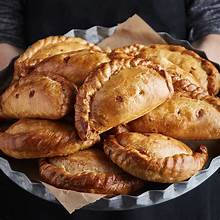
Image: Warrens Bakery
You can download this book in pdf format here
or scroll the whole book as webpage text
Contact Us for a copy by email if you encounter any problem downloading the pdf from the website
© 2026 Ian Jackson
Revived Cornish on the principle of tota Cornicitas
Taking account of all the evidence for historical Cornish
Common European Framework of Reference for Languages
Level B2 (Vantage, Higher Intermediate)
Lesson Deg
Lesson Ten
Vocabulary
Here are some more new words.
act m act, ancar m anchor, ballyer m barrel, barbecuw m barbecue, beggyer m beggar, bolùnjeth m will, brenyas m bosun, coxswain, bùckanêr m buccaneer, canfas m canvas, chaplen m chaplain, cloghprednyer pl gibbet, côcha m coach, cog m cook, coljy m college, corrùpcyon m corruption, cowethya v associate, cristonya v christen, culyak m cock(erel), deneren f penny piece, despît m contempt, dowtya v fear (have misgivings) – also doubt, dre hap by chance, drogwas m scoundrel, dyvedhow sober (not drunk), errya v err, felshyp m crew, ferdhyn m farthing, flattra v flatter, cajole, flour unequalled, fortyn m fortune, fygùr m figure, fynyshya v finish, ganowas m mouthful, glebya v wet, golôwder m brightness, gôlyor m watchman, look-out, gool m sail, gorgîs m distrust, suspicion, gortos v stay (in a state), gromyal m growl (also verb-noun), gwel m scene, gwyras f liquor, hanow m reputation, hevys m smock, shirt, i’n mên-termyn meanwhile, kemeres meth phr be ashamed, keybal m ferry boat, leugh m calf, marner m sailor, maroun m maroon, mênya v mean, methor m quartermaster (also caterer), morlader m pirate, mylega v curse, nown m hunger, omjùnya v join, paint m paint, paintya v paint, perthy own be afraid, peryllya v risk (also endanger), poder m worthless stuff (also decay, corruption), podyk m jug, pùdyn m pudding, qwarter m quarter, recknans m reckoning, sqwier m squire, stras m hold (of ship), styrya v mean, sùrjon m surgeon, tobackô (also backa) m tobacco, tonel f cask, keg, trâdwyns m trade wind, trestya v trust, trewa v spit, trueth m pity, vôta m vote, warbydn by (a particular time), worshyp m respect, admiration
Arâg ha dhelergh correspond to nautical English ‘for’ard’ and ‘aft’. The exclamation ay is a variant of hay.
The verb-noun fysky is employed as an ordinary masculine noun with the same meaning as fysk.
Just like English ‘every penny’, we may still say pùb deneren figuratively to mean ‘all the money’.
Pùdyn gorhal is ‘duff’. Note the phrase ry vôta ‘cast a vote’. The plurals termow and termys are alternatives. Warbydn obma means ‘by now’.
In the oath re Synt (or Sèn) Malan we have a mediaeval name (‘St Malignus’) for the Devil.
The imperatives war (ty-form) and waryowgh (why-form) mean ‘beware, watch out!’ There are no other forms of this verb.
Colloquial Cornish in literature
The translated pieces introduced in previous Lessons were all written in a relatively formal style of Cornish. In Treasure Island by Robert Louis Stevenson (1883) the gentrified speech of the principal adventurers is differentiated from the rougher speech of the pirate crew. This is not an attempt at strict realism since that would have gone beyond the literary conventions of Stevenson’s day. The pirates cuss and swear in the mildest of terms! The author does employ the distinction as a device to create vivid characters; but also, crucially in this ground-breaking Victorian novel for children, as a means of signalling who is essentially ‘bad’.
Treasure Island has been translated by Nicholas Williams as Enys Tresour, and the pirates of the story speak in a dliberately colloquial register of conversational Cornish. Here is Chapter 11, entitled An pëth a glôwys in ballyer an avallow.
Cabin boy Jim Hawkins, the narrator of the whole tale, has climbed into an almost empty apple barrel on the deck of the schooner Hispaniola as it approaches the island where the pirate Flint buried his treasure before he died. One-legged Long John Silver, the ranking member of Flint’s surviving crew, has deceived the gullible Squire Trelawney into hiring most of this crew (including himself as cook) for Trelawney’s own expedition to seek the treasure. Hawkins had suspicions from the outset, but only now discovers the truth when Silver, unaware he is overheard, sits down beside the barrel to interview another crew member.
At the end of the extract you will find notes that include comments on some of the colloquial forms.
“Â, nag en,” yn medh Silver. “Flint o an capten. Me o an methor, dre rêson a’m troos predn. I’n keth batel me a gollas ow garr ha Pew coth a gollas golok y lagasow. Mêster sùrjon a drohas ow garr dhyworthyf – in mes a’n coljy – meur a Latyn in y anow, ha taclow kepar; saw ev a veu cregys avell kei ha sehys i’n howl pecar ha’n remnant in Castel Corso. Anjei o tus Roberts, hag y wharva an dra dre rêson aga chaunjya henwyn aga lestry – Royal Fortune rag ensampyl. An hanow may fëdh gorhal cristonys gonja, gwrêns hedna remainya. Indella y feu an Cassandra, hei a’gan dros nei oll yn saw dhia Malabar, woja Inglond dhe sêsya an Viceroy of the Indies. Indella y feu an Mordarow, gorhal coth Flint – ha me a’s gwelas cudhys in goos cogh ha parys dhe sedhy gans carg a owr.”
“Â!” a grias lev aral, lev an den yonca i’n gorhal, hag ev dell hevelly leun a worshyp. “Ev o marner flour, Capten Flint!”
“Davis o gwas dâ inwedh, warlergh y hanow,” yn medh Silver. “Na wrug vy byscath golya in udn gorhal gonja. Kensa gèn Inglond, ha gèn Flint woja hedna, hèn yw ow whedhel vy. Me a worras in bàn naw cans yn saw, dhort Inglond i’n kensa le, ha dyw vil woja Flint. Nag yw hedna drog rag den dhyrag an wern – ha ma va oll saw i’n arhanty. Nag yw dendyl an pëth ewn, mès erbysy, why a ell bos certan a hedna. Ple ma tus Inglond lebmyn? Na worama. Ple ma tus Flint? Dar, an radn vrâssa nonjei, mown jei i’n gorhal-ma, hag anjei lowen dhe gawas pùdyn gorhal – beggyers o radn nonjei kyns lebmyn. Pew coth, neb a gollas y wolok, hag ev a alja kemeres meth, ev a spênas dêwdhek cans pens i’n vledhen, kepar hag arlùth i’n Chei an Arlydhy. Ple ma va lebmyn? Wèl, marow ywa hag in dadn an dor. Saw dres dyw vledhen dhyrag hedna, re’m bo crog, yth o va storvys dre nown! Beggyer o va ha lader, hag y fedha ow trehy briansen tus, ha woja pùptra ev o ogas marow dre nown, re Jovyn!”
“Wèl, nag yw vas woja pùptra,” yn medh an marner yonk.
“Nag yw vas rag fôlys, te a ell bos sur a hedna – hedna, bò tra vëth,” a grias Silver. “Saw ow tùchya dhis, mir obma. Te yw yonk, saw yth osta mar lew avell paint. Me a welas hedna pàn wrug vy dha weles rag an kensa prës, ha me a vedn côwsel orthys kepar hag orth den tevys.”
Why a yll desmygy fatla wrug vy omsensy pàn glôwys vy an drogwas uthyk-ma ow flattra gans an kethsam geryow a gowsas ev orthyf vy. Me a grës, a callen y wil, me a vynsa y ladha der an ballyer. I’n mên-termyn, ev a bêsyas, heb predery bos ken onen ow coslowes orto in dadn gel.
“Ot obma plit tus jentyl a fortyn. Mown jei ow pêwa garow, hag ow peryllya bos cregys, saw te a’s gwel ow tebry hag owth eva kepar ha culyogas omlath; ha pàn vo gorfednys viaj, anjei a gav lies cans pens kyns ès lies cans ferdhyn in aga focket. Now, an radn vrâssa a’n mona a vëdh spênys wàr dhowr tobm ha sport dâ, hag ena mown jei ow mos dhe’n mor arta heb tra vëth adro dh’aga heyn ma’s an hevys. Saw nag yw hedna an cors ragom. Th’erom ow corra pùb deneren anodha in bàn, nebes obma, nebes ena, heb gorra re i’n keth plâss rag goheles gorgîs. Me yw hanter-cans bloodh, te a wel. Pàn vena dewhelys dhyworth an viaj-ma, me a vedn gwil den jentyl ahanam in gwiryoneth. Lowr a dermyn, te a laver. Â, saw me re beu ow pêwa yn êsy i’n mên-termyn, na wrug avy sconya tra vëth dhortama a garsa ow holon, ha me re gùscas medhel ha dainty oll ow dedhyow, marnas pàn esen wàr an mor. Ha pana vaner a wrug vy dallath? Kepar ha te, dhyrag an wern!”
“Wèl,” yn medh an den aral, “saw gyllys yw oll an mona aral lebmyn, a nag yw? Na elta dyswedhes dha fâss in Brystow woja hebma.”
“Dar, pleth esta ow soposya ow mona dhe vos?” a wovydnas Silver ha despît in y lev.
“In Brystow, in arhantiow ha tyleryow pecar,” a worthebys y goweth.
“Th’era an mona ena,” yn medh an cog, “pàn wrussyn ny derevel ancar. Saw ow mêstres goth a gemeras oll an mona warbydn obma. Hag yma an tavern Gweder Aspia gwerthys, prÿsles, chei ha bolùnjeth dâ. Ma an vowes goth wàr hy fordh i’n tor’-ma dhe vetya genam. Me a venja levarel dhis ple, rag th’erom orth dha drestya, saw hedna a venja sordya envy in mesk an gowetha.”
“Hag a elta jy trestya dha wreg?” a wovydnas an den aral.
“Nag usy tus jentyl a fortyn,” a worthebys an cog, “ow trestya an eyl y gela meur; ha ma an gwir gansans, che a yll bos sur a hedna. Saw me a’m beus fordh genama, ha hèn yw an gwiryoneth. Pàn wrella neb udn coweth whelas castya – onen neb yw ajwonys dhybm, th’erom ow mênya – na via bës pecar gans Jowan coth. Th’era radn nonjei ow perthy own a Pew, ha radn ow perthy own a Flint. Saw Flint y honen, ev a berthy own ahanam. Dowtys o va ha prowt. Anjei o an felshyp an moyha garow wàr an mor, tus Flint. An jowl y honen a wrussa bos dowtys dhe vos dhe’n mor gansans. Wèl, me a laver dhis lebmyn, na vedhama ow pôstya, ha te dha honen a wel pana êsy vedhama ow cowethya gans kenyver onen, saw pàn en vy an methor nag yw an ger ên ewn rag bùckanêrs coth Flint. Ha te a ell bos certan ahana jy in gorhal Jowan coth.”
“Wèl, me a laver dhe jy lebmyn,” a worthebys an maw, “nag era an lavur-ma ow qwarter-plegya dhybm erna veu an kescows-ma genen an eyl y gela, Jowan. Saw ot obma ow dorn dhis warnodha.”
“Ha te o gwas brav inwedh, ha glew kefrës,” a worthebys Silver, ow shakya dêwla mar golodnek, may whrug an ballyer crena, “ha fygùr tecka rag den jentyl a fortyn na welys vy byscath.”
Warbydn an prës-na me a dhalathas convedhes styr aga thermys. Pàn leverens “den jentyl a fortyn” apert o nag esens ow styrya moy bò le ès morlader kebmyn, ha’n gwel bian a wrug vy dre hap goslowes orto a veu martesen an act dewetha i’n corrùpcyon a onen a’n marners onest – martesen an marner onest dewetha i’n gorhal. Saw ow tùchya an mater-ma, me a wothvia yn scon, rag Silver a whybanas yn isel, ha’n tressa den a dheuth bys i’n tyller hag esedha rypthans.
“Hecka yw ewn,” yn medh Silver.
“Ô, me a woya dell o Hecka ewn,” a worthebys lev an brenyas, Israel Hands. “Nag ywa fol, Hecka, nag ywa nes.” Hag ev a drailyas y dobackô in y anow ha trewa. “Saw mir obma,” ev a bêsyas, “hèm yw an dra a garsen vy godhos, Barbecuw. Pana bellder a res dhe ny saval adenewen ha ryb tenewen kepar ha keybal melegys? Me re gavas lowr ogasty a Gapten Smollett. Yma va ow qwil mêstry warnam hir lowr, re Synt Malan! Me a garsa entra i’n cabyn-na. Me a garsa tastya aga thebmyn dainty ha’ga gwin.”
“Israel,” yn medh Silver, “nag eus dha bedn a brow ha na veu byscath. Saw te a ell gosowes, me a grës. Dhe’n lyha dha scovornow yw brâs lowr. Now, hèm yw an pëth a lavara’. Te a dal cùsca arâg, ha bêwa yn cales, ha te a wra côwsel yn clor ha gortos dyvedhow, erna wrellen comondya dhis. Ha te a ell bos certan a hedna, a vab.”
“Wèl, nag erom ow levarel nâ, erom?” yn medh an brenyas avell gromyal. “An pëth a lavara’ yw hebma: pana dermyn? Hèn yw an pëth a lavara’.”
“Pana dermyn! Re Jovyn!” a grias Silver. “Wèl, mar menta godhos pana dermyn, me a vedn leverel dhis. An prës dewetha a vo possybyl, ha hèn yw pana dermyn. Marner adhevîs yw Capten Smollett. Ma va ow colya an gorhal melegys ragon. Ot obma an sqwier ha’n medhek ha ma an mappa ha taclow pecar gansans – ny worama ple ma va, a worama? Ha na wodhesta dha honen naneyl. Rag hedna yth erom ow mênya hebma, an sqwier ha’n medhek a vedn trouvya an stoff, ha gwil gweres worth y worra i’n gorhal, re Jovyn. Nena nei a vedn gweles. A pen vy certan ahanowgh whei oll, whei vebyon a’n jowl, me a venja gara dhe’n Capten Smollet agan drei i’n gorhal hanter-for’ tre arta, kyns ès gweskel.”
“Dar, nei oll yw marners, me a grës,” yn medh an maw, Hecka.
“Nei oll yw marners dhyrag an wern, esta ow styrya,” a leverys Silver yn serrys. “Nei a ell lewyas, saw pyw a wra settya cors ragon? Hèn yw an tyller mayth owgh why ow fyllel dhe assentya, kensa ha dewetha. Mar teffen ha cawas ow bolùnjeth vy, me a venja gara Capten Smollett dh’agan drei arta bys i’n trâdwynsow dhe’n lyha. Nena na wrussyn ny errya i’gan recknans ha loas a dhowr kenyver jorna. Saw me a ajwon agas sort whei. Me a vedn fynyshya gansans i’n enys, kettel vo an tresour i’n stras, ha trueth a vëdh hedna. Saw nag owgh why lowen erna vowgh why medhow. Mollath Duw warnam, clâv oma i’m colon, pàn yw res dhybm golya gans tus pecar ha whei!”
“Kê wàr dha gabm, Jowan Hir,” a grias Israel. “Pyw ujy worth dha serry?”
“Dar, pygebmys gorhal uhel, a brederowgh why, a welys vy entrys, ha pygebmys gwas coynt ow seha i’n howl in Porth an Cloghprednyer?” a grias Silver. “Hag oll rag an keth fysky, fysky, fysky-ma. A glôwowgh why? Me, me a welas tra bò dew wàr an mor. Mar teffowgh why unweyth ha settya agas cors, ha poynt tro ha’n gwyns, why a venja marhogeth in côchys. Saw ny vednowgh whei! Me a’gas ajwon whei. Whei a gav agas ganowas a dhowr tobm avorow, ha dhe’n crog genowgh.”
“Pùbonen a woya te dhe vos sort a japlen, a Jowan. Saw ma ken re hag anjei a alja gwil an ober ha lewyas mar dhâ avellos dha honen,” yn medh Israel. “Y a gara nebes sport in gwir. Nag en jei mar uhel ha sëgh naneyl, saw anjei a gemera aga sport, pecar ha mâtys dâ, kenyver onen.”
“Ay,” yn medh Silver, “ha ple mown jei lebmyn, me a venja gofyn. Pew o den a’n par-na hag ev o beggyer pàn veu marow. Flint o indella, hag ev a veu marow a’n dowr tobm in Savanah. Â, anjei o felshyp wheg in gwir. Saw, ple mown jei lebmyn?”
“Mès,” yn medh Hecka, “pàn wrellen ny aga gorra adreus, pandra dal dhyn gwil gansans?”
“Ot an den ragom!” a grias an cog, meur y revrons. “Hèn yw an pëth erom ow kelwel negys. Gà gara wàr dhor sëgh avell marouns? Hèn o gis Inglond. Bò aga threhy dhe dybmyn pecar ha kebmys mogh? Hèn a via fordh Flint, bò fordh Billy Bones.”
“Billy o an den rag hedna,” yn medh Israel. “Na ell tus varow densel,” yn medh e. “Wèl ev yw marow y honen lebmyn. Ev a wor an hir ha’n cot anodho lebmyn. Ha mar teuth marner garow bys in porth byscath, hèn o Billy.”
“Te a laver gwir,” yn medh Silver, “garow saw parys. Mès waryowgh obma, me yw den êsy – me yw den jentyl, whei a laver. Saw mater sad ywa an termyn-ma. Dûta yw dûta, mâtys. Me a re ow vôta – mernans. Pàn vena i’n Seneth hag ow marhogeth i’m côcha, na vanama gweles onen vëth a dus laha an mor i’n cabyn-na ow tos tre, heb nei dh’aga gwetyas, pecar ha’n jowl in termyn pejadow. Gortowgh, me a laver, saw pàn dheffa an prës, dar, in ker’ gansans heb let!”
“Jowan,” yn medh an brenyas, “te yw den brav!”
“Te a vedn leverel indella, Israel, pàn wrelles y aspia,” yn medh Silver. “Saw me a vedn gofyn udn dra yn udnyk – Trelawny. Me a vedn wrestya y bedn leugh dhywar y gorf gèn an dhêwla-ma. Hecka!” ev a addyas ow terry y gows. “Te, gwra labma in bàn pecar ha maw dâ, ha cav dhybm aval rag glebya ow min.”
Why a yll desmygy an own brâs a’m kemeras. Me a vynsa lebmel in mes ha ponya rag ow bêwnans, mar teffen ha cafos an nerth, saw ow esely ha’m colon kefrës a fyllys. Me a glôwas Hecka ow tallath sevel, hag ena dell hevel, nebonen a’n stoppyas, ha voys Hands a grias:
“Ô, gwra ankevy hedna! Na wra sugna an poder-na, Jowan. Gerowgh ny dhe eva nebes dowr tobm.”
“Hecka,” yn medh Silver, “th’eroma worth dha drestya. Saw me a worras musur wàr an donel. Ot obma an alwheth. Lanow podyk ha dro va in bàn.”
Kynth o euth dhybm, ny yllyn heb predery hedna dhe vos fatla gefy Mêster Arrow an wyras a wrug y ladha.
Hecka o gyllys tecken, ha pàn nag esa ena, Israel a gowsas strait in scovarn an cog. Ny veu marnas ger bò dew na yllyn cachya, saw me a glôwas nowodhow a vry. Rag warbarth gans nebes lavarow erel a’n keth sort, me a glôwas an geryow-ma yn cler: “Na vedn den vëth aral omjùnya genen.” Apert o fatell esa tus lel whath i’n gorhal.
Pàn wrug Hecka dewheles, y aga thry a gemeras an podyk wosa y gela hag eva. Onen “Dhe fortyn dâ,” an secùnd “Dhe gov Flint coth,” ha Silver y honen, in sort a gân, “Dhe nei gàn honen. Ha senjowgh gàs gool, gobrow brâs ha sosten lowr.”
I’n eur-na golôwder a godhas warnaf i’n ballyer, ha pàn wrug vy meras in bàn me a welas bos an loor derevys, hag yth esa hy ow paintya top an wern gres hag ow terlentry yn spladn wàr ganfas an gool arâg. Hag i’n keth prës-na ogasty lev an gôlyor a grias, “Tir sëgh dhyragon!”
Translation © 2013 Nicholas Williams
Notes
Roberts is the pirate Bartholomew Roberts (died 1722) who changed the name of several vessels he had captured to Royal Fortune. Castel Corso refers to a cape on the Gold Coast of Africa, now Ghana. Inglond is the pirate Edward England (died late 1720 or early 1721) whose ship was the Cassandra. Malabar refers to the west coast of India. Davis is Howell Davis (died 1719) whose pirate career lasted just 11 months.
Nicholas Williams wrote ‘Viceroy of the Indies’ in italics as if it were the name of a ship. In fact Silver is here sarcastically aggrandizing an individual, James Macrae, the original captain of the Cassandra. Macrae was set free by England after the pirates had taken over his ship. He later became Governor of Madras for the East India Company.
Flint and his ship Walrus are purely fictitious. But Savanah is real enough: it is the city of Savannah, founded in 1733 as the first capital of the Province of Georgia (nowadays the State of Georgia, one of the United States).
Mêster Arrow had been the mate on the Hispaniola. Despised by the men, he was frequently drunk; and one night he just disappeared, presumably overboard.
Gorra in bàn translates ‘lay by’ of the English original, in the sense ‘save up’. The metaphor in Cornish is the filling of a hayloft to feed cattle through the winter. Gorra adreus translates ‘lay athwart’, which is a term of sea-fighting meaning to fix the other ship by hooks and ropes alongside your own ship. An wern gres translates ‘the mizzen’ according to the literal etymology. But in practice the mizzen is the mast furthest aft on a three-masted ship. Williams may be confused about the rigging of the Hispaniola – later in the translation he writes canfas an wern arâg for ‘mizzen shrouds’.
Preposition ow tùchya becomes ow tùchya dhe with pronouns, hence ow tùchya dhis in the passage. The same applies for preposition tùchyng.
The following are all colloquial features. Silver uses na / nag instead of ny / nyns, but not consistently. Preposition a is used to link dre rêson to an ordinary noun. I’n keth batel me a gollas … ha Pew coth a gollas … Here ha links two parallel clauses after an keth; in more formal Cornish we might find the second one expressed as dell gollas Pew coth … Note en jei = êns y, fôlys = felyon, gonja = gansa (but Silver also gansans), levarel = leverel (an example of colloquial dissimilation), mown jei = ymowns y, nonjei = anodhans y (but Silver also anodha), saval = sevel (an example of colloquial assimilation), woya = wodhya (an example of consonant simplification). Gofyn = govyn (spelled gofen in the list of colloquial forms appended to Book Three).
Colloquially vowel e can often replace vowel y, just as there can occasionally be alternation even in quite formal Cornish (kechys alongside kychys, for instance): here we have tebmyn = tybmyn; for menta = mynta, compare the Head Teacher’s me a vedn in Book Two, Exercise 36, and the third pupil’s dèr vednen nyny in Book Three, Exercise 52. Conversely, vowel y occasionally replaces vowel e, as in gofyn (= govyn), corresponding to gofen in the list of colloquial forms appended to Book Three.
Williams employs the spelling ei for final stressed y to suggest more strongly the actual pronunciation: kei for ky, anjei for anjy, etc. This device has been borrowed from the distinct spelling system known as the ‘Standard Written Form’, which is not consistent with Standard Cornish orthography; it is not recommended for everyday use.
Copula imperfect tense of bos in colloquial Cornish
In the passage from Enys Tresour Israel Hands says en jy (spelled en jei in the text), which is not radically different from formal Cornish êns y ‘they were’. But the copula (short form) imperfect tense of bos is often considerably reduced in colloquial speech so that most forms become indistinguishable from the corresponding present tense. A typical result for the three singular forms would be om (or o’vy), os (or o’chy), o; and o’ny, o’why, on jy for the three forms of the plural. Adverbial expressions are used to distinguish present and imperfect sense when the context alone is not sufficient.
Practys Whe ha Dêwgans
Exercise Forty Six
In bewgraf (‘biography’) Jowan Hir Silver an auctour a wrug kemysky fêthyow ha fycsyon warbarth. Fatell usy an teknyk-ma owth obery rag byldya agan godhvos ha’gan breus a’n caracter? Gwrewgh gortheby, kebmys a yllowgh, in Kernowek.
Obery ‘work, operate’ always has an idea of accomplishment about it as well.
Practys Seyth ha Dêwgans
Exercise Forty Seven
Cornwall has 300 miles of coastline, and seafaring is an indispensible part of its heritage. Using the Vocabulary at the end of the Book for the technical terms, read the following summary of many key features of marine vessels.
Scûner yw lester a’n jeves golyow alînys rag ha dhelergh. Auctour Enys Tresour a wrug avowa, wosa an novel dhe vos dyllys, fatell via bryg – hèn yw, gorhal ha golyow pedrak dhodho – lester moy realystek dhe’n whedhel, saw ny wodhya ev descrefa golyans a’n par-na yn ewn. I’gan dedhyow ny, pàn nag eus lies gorhal golyow namoy, yma dhe’n byhadna scath golyow Bermûda yn fenowgh: gool brâs (ha predn brâs ganso) ha jyb wàr an kethsam gwern i’n câss kebmyn, ha dhe bùb gool yma lovan rag y dherevel (an rôp hâlya) ha lovan rag y rêwlya (an rôp golya). Chif-radnow a gorf an lester yw an pedn arâg, an delergh, ha keyn an lester. In brâssa lestry, ha pùpprës i’n gorholyon, yma flûrys ha chy ros pò pons lewyas. Carg yw gorrys in strasow. Yma an gorhal sensoryon ha’n tanker inwedh. Ha’n keybal degadoryon. Cûcow yw lestry pyskessa; i’n jëdh hedhyw oll anodhans yw cûcow jyn. Udn sort a gôk, pòr vysy yn economek, yw an côk draylya. I’n byhadna scathow yma treusprednyer rag esedha warnodhans, hag y hyller lewyas an lester der ebyl adar ros lew. Dhe lies scath golyow yma astell cres rag istyna keyn an lester yn town, may halla an scath golya ogas dhe’n gwyns yn effethus.
Practys Eth ha Dêwgans
Exercise Forty Eight
Dell leverys an Logosen Dhowr dhe’n Goodh’or, “Crës dhybm, ow hothman yonk, nag eus tra vëth – tra vëth in oll an bës a dal y wil hanter-kebmys avell gwary adro in scathow.” Mès dhe’n brâssa radn ahanan, res yw drîvya carr meur moy menowgh ès dell yllyn ny mos in scath. Ow checkya geryow in Gerva an Lyver-ma, redyowgh an berrscrif usy ow sewya, may ma lies term teknegyl yw perthynus dhe’n kerry.
Y kefyr kerry petrol, kerry dîsel, kerry tredanek. Wàr an dyweth, acordyng dhe’n gosten ‘Zêrô Elyn’ (hèn yw, lehe gorvok carbon yn pòr grev), ny vëdh kerry nowyth a’n kynda petrol pò dîsel gwerthys na felha i’n bledhydnyow usy ow tos. Saw i’n present termyn pîlyow lythyùm-ion yw poos ha helosk yn peryllys mara pedhons y cargys re; na nyns eus hedhes fest hir dhodhans; ha scant nyns eus tyleryow carga lowr der oll an pow. Hell yw pobel, rag hedna, i’ga herensa a'n kerry tredanek i’n tor’-ma.
Ny yller drîvya carr heb cubmyas lewyas, ha res yw spêdya in apposyans rag gwainya cubmyas parhus. Mar teth ha trespassya orth lahys trafyk an fordh, why a yll recêva ‘poyntys wàr dha gubmyas’, ha kelly an cubmyas mar pëdh lies poynt pò mar trespassyth yn frâs.
Dhe lies carr yma treuscorrans automatek. Kynth yw gwell gans radn a’n bobel whath an kerry a’s teves kyst maglednow dre dhorn, yma lies huny ow tyby bos an grafel hag omdôwlel gans gwelen an maglednow trobel tydn dres otham.
Dre vrâs yma an jyn in dadn an cûgh, ha dhe garr peswar daras y fëdh côfyr wàr an tu delergh. Hanow coth y gis rag carr pymp daras yw carr tir. Saw gwell rag drîvya in tireth tyckly yw herdhyans peder ros. Clos to yw vas rag don dywrosow; kyst to yw fytty rag moy fardellow.
Dhe bùb carr yma uskys’heor ha frodnel, frodn dhorn kefrës, ha ros lewyas. Wàr goloven an ros yma controllyans a’n menegoryon, a dheseghyeryow an skewwyns, ha rag inclynya an penlugern. An vusurel toth yw meur hy fris awos bos finweth toth wàr bùb fordh, ha môtorfordh kyn fe. Strait yw an rêwl gwysca grugys eseth, ha’n dyfen heb ûsya fon i’n dorn pàn esos ow lewyas. In lies carr yma airêwnans, daffar rag seny radyô ha mûsyk, ha hensador electronek rag gedya dhe’n fordh ewn.
Wàr garrhens dewblek ha wàr vôtorfordh yma dew hens pùb termyn; try hens pò moy wàr vôtorvordh in lies tyller. Dhe vôtorfordh yma gladn gales dre vrâs, saw traweythyow yth yw hobma ûsys kefrës rag daromres. In cres carrhens dewblek pò môtorfordh yma scooskê, ha kew gres pàr hap inwedh. Pàn eus kebryow paintys wàr an fordh, res yw gwitha pellder ispoyntek inter oll an degadoryon. Ny yller jùnya dhe vôtorfordh na’y gasa marnas dre rybfordh orth onen a’n kes’hensy; cunys, carg tredanek, ha sosten yw dhe gafos in kenyver othomva. Wàr fordhow erel y hyller powes in rypsav, yw sînys P (hèn yw, parkya) in lies câss; saw re venowgh ymowns y leun a kertys hir!
Practys Naw ha Dêwgans
Exercise Forty Nine
Gwell rag an omgelgh ès mos in carr yw mos adroos pò wàr dhywros trosella. Owth ûsya an erva in pedn dewetha an Lyver-ma, redyowgh an berrscrif usy ow sewya, ha termow teknegyl etto yw longus dhe’n gerdhoryon ha dhe’n margh horn.
Pùb tyller mayth eus cauns, res yw dhe’n kerdhor tremena warnodho. In ketelma, an dywrosyth a res marhogeth wàr an hens dywrosa pynag oll may fo provies. Delvrysek rag tremenysy adroos yw grugys kerdhes, ma nag eus gwir vëth dhe gerry. Saw traweythyow, pàn nag eus cauns vëth, ny vëdh ken dôwys ma’s kerdhes wàr an fordh hy honen – nosweyth yth yw hedna spessly peryllys ha res porrês don torchen dhâ, a vëdh ow tewynya tys ha tas, ha gwysca hevys hewel melen.
Dywros yw tra sempel: fram, ha hebma a’n jeves trester uhel warlergh ûsadow an jëdh hedhyw, mès traweythyow an trester yw iselha rag may halles eskyna yn êsya; yma dyw ros a’n keth myns, dewdhorn, dyber, trosellow kelmys dhe’n ros dhelergh dre jain; ha frodnow arâg hag adhelergh. Saw in gwrioneth nyns yw an ‘margh horn’ gwrës a horn na felha, bohes venowgh a’n dur naneyl: yma scaffa kesolcanow lebmyn. Ha dre lies maglen y hyll an dhywros arnowyth resek snell, na nyns eus otham namoy a skydnya rag herdhya wàr veneth in udn gerdhes.
Practys Deg ha Dêwgans
Exercise Fifty
Write an email in suitable Cornish to the legal department of the grocery company whose delivery driver carelessly reversed his van into the metal guttering above the front bay-window of your house when he arrived to make a delivery to your neighbour. You attach a photograph of the damage. You’ve obtained a quotation for repair from the contractor who installed the original guttering, with whom you were very satisfied, so you’re not interested in giving the work to anyone else; you expect the delivery company to reimburse you in full.
A gutter is launder and guttering is launderweyth, both masculine nouns. Kilfenester is a bay-window. A quotation in the sense of a fixed price for the job is pris profys; distinguish towlcost, which is an estimate. Cowethas lyfrêson is a delivery company. Groceries are gwara boos – a singular noun in Cornish (though some treat it as collective).
Second State of gr
The Second State of gr is regularly r, as in a radhva leun ‘full scale’ or in dadn rug ‘under heather’. But many words resist mutation: dew gràm ‘two grams’ for example. A few words form their Second State as if in First State they began gwr: these are grauntya ‘grant’ > wrauntya (but the noun graunt resists mutation); verb growedha > wrowedha and noun groweth > wroweth, as in a’y wroweth ‘lying (down)’ – compare a’y eseth and a’y sav; grugys > wrugys (and its derivatives).
More about mutation of gw
This will also be a good place to note that mutation of First State gw does not invariably follow what has been established as the ‘rules’. We occasionally find gw > Fifth State wh after ’th. Conversely we sometimes find gw > Second State w after particle y.
**********
Lesson Udnek
Lesson Eleven
Vocabulary
Here are some more new words.
bargydnya rag agree (something contractually), ber m spit (for roasting), Beryan Buryan (that is, Eglos Beryan St Buryan), bos avîsys make up one’s mind, Chy Wûn Chywoone, colhan f sheath knife, cona v dine, sup, dagyer m dagger, dewas-wreg f pot-girl, barmaid, dos warbydn encounter, dremas m good man, fria v free, gon m gown, gorseans m praise, hordh m ram, jùstys m magistrate (also justice), managh m monk, marchont m merchant, Marhas Yow Market Jew, myken f animosity, ôstes f hostess, pîss m piece, repôsya v repose, sleep, Selevan St Levan
The interjection Hâ is equivalent to English ‘Ah’, just like  that we have been using since Book One. But Hâ can also mean ‘Hi’ when used with someone’s name.
Poynt a skians is a maxim.
Colloquial Cornish in literature – the historical record
Nicholas Boson (died 1708) has left us the tale of Jowan Chy an Hor’ (John of Chyannor) from the 1660’s. A phonetic transcription was made by early linguist Edward Lhuyd and published in 1707. The text is here reproduced in Standard Cornish, but faithful to the original idiom. At the end of the passage you will find notes that include comments on the various colloquial usages.
Why not set yourself the challenge of learning Jowan Chy an Hor’ for recitation aloud. Having the story by heart, mastering every detail of its idiomatic content, will be an excellent platform for further developing your own colloquial Cornish; and it will empower you to speak with authority about keeping the revived language true to its attested tradition.
1 I’n termyn eus passyes th’era trigys in Selevan den ha benyn in teller cries Chy an Hor’.
2 Ha an whel a codhas scant; ha medh an den dha y wreg, “Me a vedn mos dha whilas whel dha ’ul, ha why ell dendyl gàs bôwna’s obma.”
3 Cubmyas teg ev a kemeras, ha pell dha ëst ev a travalyas, ha wàr an dyweth e rug dhos dha chy tiak, ha rug whilas ena whel dha wil.
4 “Pana whel a’llosty gwil?” medh an tiak.
“Pùb whel oll,” a’medh Jowan. Ena ’njy a vargynnyas rag try pens an vledhen gober.
5 Ha pà th’era dyweth an vledhen, y vêster a dhysqwedhas dhodho an try pens.
“Mir, Jowan,” medh y vêster. “Obma dha gober. Bès mar menta ry dhèm arta, me a dhesca dhis ken poynt a skians.”
6 “Dr’ew hedna?” medh Jowan.
“Nâ,” medh y vêster. “Ry dhèm, ha me a vedn laveral dhis.”
“Kemerew’ dhan,” medh Jowan.
Nena medh y vêster: “Kemmer with na wre’ gara an vorr goth rag an vorr nowyth.”
7 Nena anjy a vargynnyas rag bledhen moy, rag pecar gober. Ha pà th’era dyweth an vledhen, y vêster a dhros an dry pens.
“Mir, Jowan,” medh y vêster. “Obma dha gober. Bès mar menta ry dhèm arta, me a dhesca dhis ken poynt a skians.”
8 “Pandr’ew hedna?” medh Jowan.
“Nâ,” medh y vêster. “Ry dhèm, ha me vedn lavarel dhis.”
“Kemerew’ dhan,” medh Jowan.
Nena medh y vêster: “Kebmer with na wre’ ôstya in chy lebma vo den coth demedhys dha benyn yonk.”
9 Ena ’njy a vargydnyas rag bledhen moy. Ha pà th’era dyweth an vledhen, y vêster dhros an try pens.
“Mir, Jowan,” medh y vêster. “Obma dha gober. Bès mar menta ry dhèm arta, me a dhesca dhis an gwelha poynt a skians oll.”
10 “Pandr’ew hedna?” medh Jowan.
“Nâ,” medh y vêster. “Ry dhèm, ha me a lavar dhis.”
“Kemerew’ dhan,” medh Jowan.
Nena medh y vêster: “Bedhys gweskys dhywwe’th kyn gweskel unwe’th, rag hedna yw an gwelha poynt a skians oll.”
11 Lebmyn Jowan, e na venja servya na velha, bès e venja mos tua dha y wreg.
“Na,” medh y vêster, “rew’ mos hedhyw ha ma gwreg vy o’pobas mettyn; ha hy ra gwil tesen ragos, dha dhos dre dha dha wreg.”
12 Ha anjy a worras an naw pens i’n desen. Ha pà ruga Jowan kemeres y cubmyas, “Obma,” medh y vêster, “ma tesen ragos dha dhon dre, dha dha wreg. Ha p’o ty ha dha wreg an moyha lowen warbar’h, nena g’rew’ terhy an desen, na hens.”
13 Cubmyas teg e kemeras, ha tua ha tre e travalyas; ha wàr an dyweth e rug dhos dha Gûn Sèn Eler. Ha ena ev a vetyas gèn try verchant a Tre Rin, tus pluw, tos dre mes a’n fer Caresk.
f
14 “Hâ Jowan,” a’medh anjy, “Duw genen ny. Lowen on ny dh’agas gweles why. Py le a veu’ty mar bell?”
15 A’medh Jowan, “Me a veu servya, ha lebmyn th’eram mos dre dha ow wreg.”
“Hâ,” medh anjy. “Ews bar’ha ny, ha welcùm ty a vëdh.”
16 Anjy a kemeras an vorr nowyth, ha Jowan a gwithas an vorr goth.
17 Ha mos ryb keow Chy Wûn, ha nag o an varchants gyllys pell dhort Jowan, bès ladorn a glenas ort anjy. 18 Ha anjy a dhalathas dha wil cry. Ha gans an cry a rug an varchants gwil, Jowan a grias awedh. “Ladorn, ladorn!” 19 Ha gans an cry a rug Jowan gwil, an ladron a forsâkyas an verchants. Ha pà rug anjy dhos dha Varhaj Yow, ena anjy a vetyas arta.
20 “Hâ Jowan,” a’medh anjy. “Senjys on ny dha why. Na via rago’why, ny a via tus oll dyswrës. Deus bar’ha ny, ha welcùm ty a vëdh.”
21 Ha pà rug anjy dhos dha’n chy lebma gôt’fia anjy ôstya, a’medh Jowan, “Me dal gweles an ost a’n chy.”
22 “An ost a’n chy?” a’medh anjy. “Pan tra venta gwil gèn an ost a’n chy? Obma ma gàn ôstes ny ha yonk ew hy. Mar menta gweles an ost a’n chy, kê dha’n gegyn, ha ena ty a’n cav.”
23 Ha pà rug e dhos dha’n gegyn, ena e welas an ost a’n chy, ha den coth o e, ha gwadn, o’trailya an ber. 24 Ha a’medh Jowan, “Obma na vadna’vy ô’tya, bès i’n nessa chy.”
“Na whath,” medh anjy. “Gwres cona abar’ha ny, ha welcùm ty a vëdh.”
25 Lebmyn an hôstes a’n chy, hy a gùnsulyas gèn neb unn vana’h a era i’n tre, ha dha destria an den coth i’n gwely in termyn an nos, ha rest a’njy o’repôsya, ha gorra an fowt wàr an verchants. 26 Ha pà th’era Jowan i’n gwely, th’era toll in tâl an chy, ha ev a welas golow. Ha e savas a’màn a’mes y wely. Ha ev a gosowas. Ha e glôwas an mana’h laveral, ha trailyes y geyn dha an toll: “Martesen,” a’medh ev, “ma nebonen i’n nessa chy, a wrug gweles agan hager-oberow.” Ha gans hedna an gwadn-gerty gans ’y follat a dhestrias an den coth i’n gwely.
27 Ha gans hedna Jowan gans y golhan, trohas (der an toll) mes a keyn gon an mana’h pîss pòr rownd.
28 Ha nessa mettyn an gwadn-gerty, hy a dhalathas dha wil cry tèr veu ’y thermas hy destries. Ha rag na era den na flo’h i’n chy bès an verchants, anjy dhal creg ragta.
29 Ena anjy a via kemerys, ha dha an clogh-prednyer ’njy a veu lêdyes. Ha wàr an dyweth Jowan a dheuth wàr aga fydn.
30 “Hâ Jowan,” medh anjy. “Ma cales lùck dha ny. Ma agan ost ny destries newher ha ny dal creg ragta.”
31 “Why oll? Meur a whel a’n jù’tycyow!” a’medh Jowan. “Gor tèr o an dhes-reg! Hy mana’ rug an bad-ober.”
32 “Pywa?” y’medh anjy. “Pyw a rug an bad-ober?”
“Pyw a wrug an bad-ober?!” medh Jowan: “Mar ny’s medra’ dheffa prevy pyw a rug an bad-ober, my a vedn creg ragta!”
33 “Laverow’ dhana,” medh anjy.
“Newher,” medh Jowan, “pà th’era’vy itta ow gwely, my a welas golow, ha my savas a’màn, ha th’era toll in tâl an chy. 34 Ha neb unn mana’h a trailyas y geyn warbydn an toll. ‘Martesen,’ medh ev, ‘ma nebonen i’n nessa chy a ell gweles agan hager-oberow.’ 35 Ha gans hedna gèn ow holhan me trahas pîss (der an toll) mes keyn gon an mana’, pîss pòr rownd. Ha rag gul ow geryow-ma dha vos prevys, obma ma an pîss et ow focket dha vos gwelys.”
36 Ha gans hedna an varchants a veu fries, ha an venyn ha’n mana’h a veu kemerys ha cregys.
37 Nena anjy a dheuth warbar’h mes dha Varhaj Yow. Ha wàr an dyweth ’njy rug dos dha Coos Kernwhyly in Beryan. 38 Nena th’era vorr dyber’h; ha an varchants a venja arta dha Jowan mos dre bar’ha ’njy. Bès rag an termyn e na venja, mès e venja mos dre dha y wreg.
39 Ha pà th’o ev gyllys dhort an varchants ev a dhylâjas an termyn, m’alha va prev era y wreg gwitha compes et y gever, era pò nag era. 40 Ha pà rug e dos dha’n daras, ev a venja clôwes den aral i’n gwely. Ev a wasca y dorn wàr y dagyer dha dhestria an dhew. Bès e brederas tèr gotha dhodho bos avîsyes dhywwe’th kyn gweskal unwe’th. 41 Ha ev a dheuth a’mes arta. Ha nena e gnakyas.
“Pywa eus ena, in bar’ Duw?” a’medh hy.
42 “Th’era’vy obma,” medh Jowan.
“Re Faria, pyw a glôw’vy?” medh hy. “Mars o’why Jowan, dew’ chy.”
“Doroy an golow dhana,” medh Jowan.
Nena hy a dhoroas an golow. 43 Ha pà rug Jowan dos chy, medh ev, “Pà rug avy dos dha’n daras, me a venja clôwes den aral i’n gwely.”
44 “Hâ Jowan,” medh hy. “Pà rugo’why mos kerr, th’era’vy gyllys try mis gèn lho’h, ha lebmyn ma dha ny meppyk wheg i’n gwely, dha Dhuw re bo gorseha’s.”
45 Medh Jowan, “Me vedn laveral dhys. Ow vêster ha ow vêstres ros dhèm tesen ha laveras dhèm, pàn vo my ha’m g’reg an moyha lowen warbar’h, dha terry an desen, ha na hens. Ha lebmyn ma câss dha ny rag bos lowen.”
46 Nena ’njy a dorhas an desen, ha th’era naw pens i’n desen. Ha an mona anjy a gavas; ha’n bara ’njy a dhabras; ha ny veu udn froth na myken na tra wàr an norvës.
Ha andella ma dyweth me daralla dhodhans.
Transcription © 2024 Ian Jackson
Notes
Although the text as recorded by Lhuyd generally spells pre-occluded bm and dn, we find bargynnya, kemmer, unn alongside their pre-occluded equivalents. Neb unn without pre-occlusion suggests that this combination may be treated as if it were a single word.
Fordh and kerdh appear as vorr and kerr; this is the convention for these words. In similar cases (bar’ for barth, hor’ for hordh) an apostrophe is used, but the same pronunciation (with short vowel) will apply.
In the story imperatives of more than one syllable mostly end in ewgh (clipped to ew’) rather than owgh. The ending ewgh was selected by Nance for all revived Cornish imperatives, and many speakers today continue this approach.
An dry pens (formal Cornish an try fens) illustrates the somewhat optional nature of Third State mutation after try, and also a tendency colloquially for try itself to undergo Second State mutation after an (compare regular dew, an dhew).
In anjy a via kemerys the tense retains its original pluperfect force, recounting a sequence of events: it was once they had been arrested that they were led to the gibbet.
Caresk is an alternative form of Keresk – both are in general use today.
Cùssulya gans nebonen dhe wil neppÿth means to plan or plot with someone to do something. Gwadn-gerty (formal Cornish gwadn-wre’ty) is an unfaithful wife; by ’y thermas (formal Cornish hy dremas) the woman means her husband.
Dhal is an example of colloquial double mutation : formal Cornish tal > a dal, then idiomatically a dal > dhal.
Duw genen ny is an alternative to Duw genes; there is a more inclusive feel about it.
Gor tèr (also Gor tr’), literally ‘know that’, can idiomatically replace particle yth before forms of bos beginning with a vowel for emphasis. As the example in the passage shows, it is a fixed expression, regardless of how many people are being addressed.
Ha ma wreg o’pobas mettyn means ‘while my wife is at her morning baking’: Jowan is asked to wait till his ‘cake’ is ready. The tesen may in fact have been a loaf rather than a cake in the modern sense, for at the end of the tale it is referred to as bara.
Kemeres with na is here used with the present-future tense, rather than the subjunctive that would be proper in formal Cornish. While the subjunctives of bos and dos remain vigorous in colloquial Cornish, there is a strong tendency to replace all others with an indicative tense.
Most edited versions of Jowan Chy an Hor’ omit ken from paragraph 5, on the assumption the word has crept into the text in error, under the influence of paragraph 7. This is a misunderstanding of the sense of ken, which does not correspond precisely to English ‘another’. The sense is ‘a maxim instead’.
Ladorn for ladron is a common reversal (metathesis); we also find it in eborn for ebron, and in the name Cambron captured in English as Camborne. Likewise note terhy for trehy in paragraph 12.
Mar ny’s medra’ dheffa prevy pyw a rug an bad-ober … This is indignation. “If I don’t aim at you (that is, lay before you) [what] will [come to] prove who committed the crime …” We must understand pëth a before dheffa (formal Cornish dheffa ha). The infixed pronoun ’s is a shortened form of ’gas; likewise infixed pronoun ’n may be a shortened form of ’gan. We find these abbreviated forms in the earliest poetry.
Marchont and merchont are alternative forms in general use today, both appear in the text, but in every case the vowel of the second syllable has been given as a, since this is what we find consistently in Lhuyd’s transcription; this has no effect on the sound of this unstressed vowel. The consonant combination nts that is written wherever the plural appears in the transcription has also been retained, though the modern plural ends in ns, unequivocally without the t sound.
Meur a whel a’n jù’tycyow! is sarcastic. There has been no trial at all; not even proper consideration of the evidence. This expression also usefully demonstrates how preposition a after a noun can mean ‘by’ notwithstanding that modern Cornish generally prefers gans. So we can say, for example, either Enys Tresour a Robert Louis Stevenson or Enys Tresour gans Robert Louis Stevenson.
The conditional tense of mydnas is employed in the sense of ‘wishing’ / ‘wanting’; we first noted this usage in Lesson Seven of Book Three. In ev a venja clôwes den aral i’n gwely the ‘would’ sense is extended differently, to mean ‘he thought he heard someone else in the bed’.
Welcùm is an alternative form of wolcùm.
The following features occurring in the text are all colloquial. There is some interchange of initial f and v. Preposition abarth is used in the sense ‘along with’ (formal Cornish gans … warbarth), and there are inflected forms such as abartha ny and abartha ’njy. A verb may be changed to assonating a when making the -as form of its inflected preterite. Future tense form bedhys is used as equivalent to imperative bëdh; similarly, present-future form gwres (formal Cornish gwreth) is substituted for imperative gwra; apparently ews in paragraph 15 means the same as deus, perhaps influenced by ewgh. The phrase gôt’fia anjy for more formal goothvia dhedhans illustrates how this construction could be managed colloquially. Possessive pronoun ow is followed by Second State of mêster and mêstres; and a much older form of this possessive pronoun appears in the final (formulaic) sentence as me. Any medial rr may become rh – in more formal Cornish this phenomenon is confined to the comparative adjectives; likewise medial ll may become lh where this is not usually recognized in formal Cornish: as in subjunctive galla > galha. Suffixed pronoun -ty takes the place of -ta, with yllysta appearing as ’llosty. Particle yth (as th’) is employed between pà and forms of bos beginning with a vowel. Verb yn medh is generally reduced to either a’medh or simply medh.
Here are some specific colloquial forms not already noted at the end of Book Three.
chy ‘ajy’, creg ‘cregy’, cùnsulya ‘cùssulya’, des-reg ‘dewas-wreg’, dhyweyth ‘dyweyth’, doroas ‘dros’ (preterite of dry), dr’ew ‘pandr’yw’, dylâjas ‘dhylâtyas’, gorseha’s ‘gorseans’, hôstes ‘ôstes’, in màn (or a’màn) ‘in bàn’, lho’h ‘flogh’, itta ‘in’, mes dha ‘mes a’, prev ‘prevy’, ragta = ‘racto’ for ‘ragtho’, rest ‘an remnant’, rug anjy ‘gwrussons y’, rugowgh ‘gwrussowgh’, tua ha (or tua dha) ‘wor’tu ha’
Note also me a dhesca for ‘me a dhesk’ and pà ruga Jowan for ‘pàn wrug Jowan’. See Suffixed subject pronouns below for explanation.
The phonetic system employed by Lhuyd enables us to note several points about Boson’s pronunciation that are not explicit in the Standard Cornish respelling. Câss is pronounced with final ‘z’ before a following dh sound. Noun gon is pronounced ‘gûn’. Preposition in is pronounced ‘en’. The j in jùstys is pronounced as a consonantal ‘y’ – this option seems to have been common also for the name Jesus / Jesu ‘Jesus’. We find that obma is pronounced ‘ibma’. Oll may be pronounced ‘yll’, pùb ‘pyb’. Particle re in re bo is pronounced ‘ro’ (reflecting an older form of the word). Possessive pronoun y is pronounced ‘e’. Yonk is pronounced as if the vowel were ‘y’ rather than ‘o’. Final stressed y is generally pronounced ‘ey’, but not in my, ty, vy, and apparently not in chy when it means ajy. We may also note a tendency for th to be pronounced ‘dh’ when it occurs between two vowels in an utterance – compare gordhuwher which evolved from earlier gorthuher in similar fashion.
Suffixed subject pronouns
In me a dhesca and pà ruga Jowan the subject pronoun suffix a (literally, ‘he’ – an abbreviated form of va, see Lesson Fourteen of Book Three) has been added to the verb. In the first instance the suffix recapitulates particle a, which does the work of a relative pronoun and is always technically ‘third person singular’. In the second case the suffix pleonastically refers forward to the expressed subject Jowan.
A suffixed subject pronoun always causes a long vowel preceding it to shorten. So the e in may fen ‘that I might be’ is long, but the e in may fena ‘that I might be’ is short; compare a wreth (long e) but a wreta (short e).
Practys Udnek ha Dêwgans
Exercise Fifty One
The motif of three (as in thrice three pounds, three maxims) is common throughout folklore. Jowan Chy an Hor’ itself is a Cornish variant of a story that is known much more widely. Just how many of these ‘threes’ can you find in the story?
Words for wisdom etc
The concept of skians is at the heart of the tale of Jowan Chy an Hor’. When we first encountered the word in Lesson Thirteen of Book Three, it was glossed as ‘knowledge’. In fact the word is ‘bigger’ in Cornish than mere knowledge alone. Indeed, when Crysten Chegwyn talks in Book Three, Exercise 64 of skians formya kefrës gwaregow ha sethow we already glimpse the emphasis on practicality, just as in Jowan Chy an Hor’, shading into notions that in English might be expressed as ‘intelligence’ or ‘wisdom’ or ‘common sense’. Skians creftus is employed for ‘artificial intelligence (AI)’.
Another word that is difficult to pin down with any single English equivalent is skentoleth. When Eryca Rowe described Danyel Tonkin as pòr skentyl in Book Three, Exercise 67, she meant he was both ‘intelligent’ and ‘knowledgeable’. Skentoleth has more of ‘cleverness’ about it than skians. Note the use of skentyl to mean ‘smart’ of a phone (as in Lesson One, Exercise 2), a motorway, etc.
There is also furneth which we encountered in the extract from the Cornish translation of Jack London’s White Fang. This is wisdom based on the idea of acting sensibly, regarded more as an innate quality than requiring any particular knowledge.
Vocabulary
Here are some more new words.
amyss amiss, wrong, awhêr m distress, bros m stew, colenky v gulp down, cuna v kindle, light (a fire), cyrcùmstans m circumstance, drog-ladrynsy m grand larceny, droppya v drop, dyberhedna v confiscate, faclyans m conflagration, fugya v fake, forge, kemeres tan phr catch fire, kescoweth m chum, lafyl lawful, logas col mice, pith m sunken well, salla v salt, tôwlel predn phr cast lots, whedhla v gossip
The collective ‘mice’ is notionally logos of course (compare an Logosen Dhowr, the Water Rat). The spelling logas reflects the reduction of the final vowel.
The adjective dâ is employed as a masculine noun meaning ‘good’ (abstract concept), also ‘property’.
More triadic folklore
Here is another moral tale of three, from a Germanic tradition collected by the Brothers Grimm. This time the language is more formal.
I’n termyn eus passys y feu logosen, edhen, ha selsygen kescowetha, ow sensy mêny kemmyn, ow pêwa cosel brav, hag owth encressya marthys aga dâ. Ober an edhen o neyja pùb jorna aberth i’n coos ha dry cunys tre. Res o dhe’n logosen don dowr, cuna an tan, ha settya an bord, mès res o dhe’n selsygen kegy.
Seul a vo re wynn aga bÿs, y fedhons y prest hirethek warlergh neb tra nowyth. Unn jëdh an edhen a vetyas gans ken edhen, ha whedhla y cyrcùmstancys bryntyn ha bôstya anedha. An edhen aral, bytegyns, a’n crias gocky fol dre rêson y ober cales, ow leverel fatell esa dhe’n dhew chy negys êsy. Rag pàn wrug an logosen hy than solabrÿs ha don hy dowr, y fedha hy ow mos ajy dh’y rom bian ha powes erna ve hy gelwys dhe settya an bord. Gortos ryb an pot a wre an selsygen, ow qwetyas bos an vytel kegys yn tâ, ha, pàn o prÿs kynyewel ogasty, y fedha hy ow rolya hy honen unweyth hag arta der an bros pò dre’n losow hag indella amanynnys vowns y, sellys, ha parys. Pàn o an edhen devedhys tre ha’y vegh gorrys dhe’n leur, yth esens y owth esedha rag debry, ha wosa y dhe worfenna an boos, y fedhens y ow cafos gwalgh a gùsk bys i’n nessa myttyn, ha splann o aga bêwnans.
Ternos an edhen, kentrynnys gans an edhen aral, ny veu whensys dhe neyja i’n coos, hag ev ow leverel y vos servont nans o termyn hir lowr, ha’y vos mockyes gansa, ha dell o res dhedha keschaunjya worteweth, ha whilas araya an dra in ken maner. Ha kynth esa an logosen ha’n selsygen kefrÿs ow pesy pòr dhywysyk, stowt veu an edhen, ha leverel bos res y brevy. Y whrussons têwlel prenn in y gever, ha’n prenn a godhas wàr an selsygen dhe dhon cunys, y feu an logosen an gegynores, ha res o dhe’n edhen dry dowr.
Pandra wharva? An selsygen vian êth in mes tro ha’n coos, an edhen bian a wrug cuna an tan, an logosen a waitya ryb an pot ha, hy honen oll, gortos bys may teffa Selsygen Sêmly dhe dre, ha dry cunys rag an nessa jorna. Saw an selsygen vian a strechyas mar hir wàr an fordh, mayth esa own dhedha, oll aga dew, bos neppÿth amyss, hag i’n air y whrug an edhen neyja pols in mes rag hy metya. Bytegyns, ev a vetyas wàr an fordh, ha nyns o napell, neb unn ky. Re beu an selsygen druan assaultys gans hemma, avell pray lafyl, ha sêsyes ha colenkys. An edhen a gùhudhas an ky a dhrog-ladrynsy noth, saw euver o geryow, rag an ky a wrug leverel ev dhe gafos an selsygen dell esa ow ton lytherow fugyes, ytho y’n jeva gwir dhe dhyberhenna hy bêwnans anedhy.
Yn trist an edhen a gùntellas an cunys in bàn, neyja tre, ha derivas myns a welas hag a glêwas ev. Troblys êns y yn frâs, mès unverhës dell vynnens gul oll aga ehen ha remainya warbarth. Ytho an edhen a settyas an bord, ha’n logosen a wrug obery an vytel, ha porposys veu hy dh’aga farusy, ha dhe worra hy honen i’n pot dell o an selsygen ûsys dhe wul, ha dhe rolya ha dhe gramyas i’n losow rag aga hemysky; saw kyns ès hy dhe hedhes bys i’ga cres hy a veu lettyes, ha kellys o hy crohen ha’y bêwnans i’n assay.
Pàn deuth an edhen rag don an kynnyow ajy, nyns esa kegynores dhe weles. In y awhêr an edhen a wre têwlel an cunys omma ha dy, gelwel ha sarchya, mès nyns o kegynores vÿth dhe drouvya! Drefen y fowt preder, an cunys a gemeras tan, may feu faclyans uthyk; an edhen a fystenas rag kerhes dowr, saw an kelorn a dhroppyas in pith an fenten, hag ev ow codha aberveth ganso, ha ny ylly diank, mès res o dhodho budhy i’n tyller-na.
Translation © 2019 Ian Jackson
Pàn deuth is commonly found instead of pàn dheuth: d frequently resists Second State mutation when preceded by n.
Accusing the dog of theft is a nice legalistic touch: finding and eating a sausage hardly qualifies as murder.
On the other hand old folk grievances become embedded in stories of this kind. In Germany, the danger once upon a time posed by forged letters; in Cornwall, the loose conduct that was associated with monks.
Practys Dêwdhek ha Dêwgans
Exercise Fifty Two
De tre bukkene Bruse is the Norwegian tale about three goats that is known in English as The Three Billy Goats Gruff. A well known English tale, originally written by Robert Southey (died 1843) but subsequently adapted, is Goldilocks and the Three Bears. The outline of both stories can easily be found on-line. See how well you can retell one or both of them in Cornish.
There is a Cornish version of the first tale, as An Try Bogh Bewek, by Eddie Foirbeis Climo, in his translation of The Primer: adapted and graded by Harriette Taylor Treadwell and Margaret Free (1910); it was published as Kensa Lyver Redya by Evertype (2009) . You might take a look at it after you have attempted a retelling of your own. The bridge is kept by a troll; the billy goats are trying to cross the bridge to reach the porva ‘pasture’ on the mountain.
Goldilocks is called Elen Benfelen or just Penfelen in Welsh. As Elen Benvelen or Penvelen this will be a perfectly good Cornish name too. Ors is a bear. You may use orses for a she-bear.
Checklist of inflected comparatives
When inflected comparatives were first introduced in Lesson Four of Book Two, we remarked that you might learn them for the time being as you go along. It will now be helpful to draw the various inflected comparative together in one place, so here is a practical checklist. You can check the meaning of new adjectives in the Vocabulary at the end of the Book. All of these comparatives may be used in written Cornish; many are also heard frequently in conversation. But you should read the Important note on the next page.
abyl appla
bas bassa
bian byhadnha (or byhanha)
brâs brâssa
brav braffa
cales calassa (or calacha)
clâv claffa
cler clerha
cles clessa
clor clorha
clos clôssa
cot cotta
coth ‘old’ cotha
crobm crobma
cul culha
cuv cuffa
dâ gwell
dov doffa
down downha
drog lacka (high register gweth)
du duha
êsy êsya
fresk fresca
freth fretha
fur furha
garow garwa
glân glânha
glëb gleppa
glew glewa
gwadn gwadnha (or gwanha)
gwag gwacka
gwyls gwylsa
gwyw gwywa (or gweffa)
hager hackra
hir hirha
isel iselha
ker kerha
larj larjya
lent lenta
leun leunha
leven lefna
leyth leytha
lows lowsa
lybm lebma
medhel medalha
nes nessa
pell pelha
plain plainya
poos possa
pur purha
rych rycha
salow salwa
saw sawa
scav scaffa
scon sconha
sëgh seha
sempel sempla
serth sertha
spladn spladnha (or splanha)
sqwith sqwitha
sur surha
teg tecka
tew tewa
tewl tewla
tobm tobma
tydn tydnha (or tynha)
uhel uhelha
uskys uskyssa
whar wharha
wheg whecka
wherow wherwa
yagh yaha
yêyn yêynha
yonk yonca
Gwell and gweth are not strictly speaking inflected comparatives, but they have comparative sense, so they are included here for convenience. Every inflected comparative can also be used with an for superlative meaning. Exclusively superlative gwelha ‘best’ corresponds to gwell, exclusively superlative gwetha ‘worst’ corresponds to gweth – these may be used with or without an. Away from high registers and fixed expressions we replace [an] gwetha with an lacka. In Lesson Fifteen of Book Three we also met superlative drocka which is confined to exclamations.
It is sometimes said that nes is itself a comparative, so that nessa can only have superlative meaning. But this has been surmised on the basis of Welsh; it is not really supported by the historical evidence for Cornish itself. Note too that when nessa is employed in the sense ‘next’ rather than ‘nearest’, an is often dropped. This parallels the use of dewetha ‘last’; this word originated as a superlative meaning ‘latest’ but was never employed with comparative sense. Ogas has no comparative form; if we do not employ nessa, then we say moy ogas and moyha ogas.
Instead of the spellings lh, rh we may write ll, rr. And instead of dnh or nh we may write dn or nn. These options are usually taken by Cornish speakers who choose not to make the relevant sounds ‘voiceless’ in their own pronunciation. Conversely, some speakers may pronounce an h in other comparative forms; the form wherw’ha was recorded by Edward Lhuyd, and alternative forms such as saw’ha and tew’ha are likewise possible.
See An Mordarow ha’n Carpenter (Lesson Three) for porra as a superlative form of pòr ‘very’.
Important note
Originally, it was only adjectives inherited from the Brythonic ancestor language that had an inflected comparative form, and the table above includes loan-words to which an inflected comparative has been applied by analogy. Agreement is lacking on exactly which adjectives qualify for this treatment. Some speakers might regard the list given here as too liberal; others may be prepared to coin inflected comparatives to adjectives not included in the list – Caradar’s vilha, for instance, in the extract quoted from Tristan hag Isolt in Lesson Six.
There is no objection to forming a comparative for most of the listed adjectives with moy instead: that is, for all of them except brâs, coth, dâ, drog, nes, pell, yonk.
You may not make an inflected comparative for any adjective formed by suffixation, or for any verbal adjective.
Practys Tredhek ha Dêwgans
Exercise Fifty Three
How would you say the following in Cornish?
It will turn much colder again before summer finally arrives. The pain in my leg is more intense when I’m lying down. The fuller the load, the more efficiently the machine will wash the clothes. It would have been more sensible to do nothing until the situation was somewhat clearer. Well, I must say that’s a lot more civilized!
Superlative idea expressed with comparative
Cornish often likes to package an idea into a negative construction. We already know how ‘only’ is expressed by marnas or its contracted form ma’s with a negative verb. And that scant is most commonly employed with a negative verb. It is also the case that a sentence like ‘He is the most handsome person I ever saw’, where English employs a superlative, will naturally become in good Cornish Bythqweth ny welys vy tecka den, literally ‘I never saw a more handsome man’ – that is, using a comparative expression instead.
Vocabulary
Here are some more new words.
antymony m antimony, Atlantek Atlantic, clethren f rail, colm m knot, covep f monument, das’henwel v rename, desînya v design, diogeleth m safety, Dowr Fala the River Fal, Dowr Mahonyer the Helford River, euthres m stampede, fowt m defect, gorotham m emergency, hayl m estuary, Lanahevran St Keverne, londya v put ashore, Meyn Eglos the Manacles, nes’he v approach, parwys m bulkhead (also dividing wall), Porth Coverek Coverack, Porth Ewstek Porthoustock, stanch watertight (also waterproof), tredan m electricity, trumach m sea crossing
Gwethyas an âls is the coastguard. Lewyador is a pilot, either of a ship or an aircraft. Scath sawya is a lifeboat.
In physics toth ‘speed’ is distinct from uskytter ‘velocity’. In everyday Cornish the two words are interchangeable.
Cornwall’s dangerous coast
In Lesson Six we noted how the Torrey Canyon was wrecked on the Seven Stones Reef. Another famous shipwreck was the loss of the steamer Mohegan on the Manacles in 1898. Here is an account of that event. Another case of an unlucky renamed ship.
Y feu an gorhal byldyes in Hull ha henwys Cleopatra orth an dallath. Desînys rag diogeleth, y’s teva eth parwys stanch hag eth scath sawya. Mès byldyes snell o hy, hag i’n kensa trumach y teuth an mor ha sygera in corf an lester aberveth.
Wosa gweyth êwna in Loundres, an gorhal a veu das’henwys Mohegan, hag a wrug mora, an tredhegves mis Hedra 1898, comondyes gans capten Richard Griffith, den a dhew bloodh ha dêwgans. Inhy yth esa 57 tremenyas, 97 marner, 7 den gwarthek, ha moy ès mil dona gwyras, coref, hag antymony.
An lewyador a veu londyes 19:30, orth Dover. Yth esa fowtow obma hag ena, saw bohes o aga nùmber, heb bos a vern. An Mohegan a wrug encressya toth bys i’n ughboynt, ow tremena an Chanel ahës. An 14ves, pàn o devedhys dhe Gernow, dre neb errour yth esa an lester re ogas dhe’n âls. Hy a wrug nes’he dhe hayl an Fala, ha trailya tro ha Dowr Mahonyer, ha dhe’n morrep usy ow resek bys in Lesard, mès ny veu lehës uskytter an gorhal, o whath tredhek colm.
Gwethyas an âls in Porth Coverek a whilas sîna an peryl dre fusednow gwarnya, ha brenyas scath sawya Porth Ewstek, pàn welas an gorhal ha’y lugern spladn ow medra toth men wor’tu ha Meyn Eglos, an den a gùntellas oll an felshyp wàr hast rag rescous.
Re holergh, 18:50, y feu marners an Mohegan ow convedhes aga feryl. Anjy a stoppyas an jynys, bytegyns an gorhal a wrug gweskel an veyn, ha’n lew neythys stag, ha corf an lester egerys dhe’n mor. Yth esa an dremenysy ow cona pàn wharva oll an droglam. Pàn wrug an tredan fyllel dre rêson liv in rom an jynys, pùb huny a dheuth wàr an flûr, may hallens y launchya an scathow. Mothow! Eskyna i’n scathow o lestys gans clethren a wrug an capten derevel kyns, rag gwitha warbydn euthres in gorotham. Ha’n gorhal a bosas kensa aglêdh, nessa adhyhow, yn frâs. An scathow ny vowns morys ma’s dyw anodhans, an eyl leun a dhowr, omwhelys y gela. Sedhy a wrug an gorhal dêwdhek mynysen wosa gweskel an veyn, 106 enef o kellys, hag y feu Capten Griffith budhys gans an lester warbarth. Scath sawya Porth Ewstek, an Charlotte, a dheuth kyn pedn hanter-our, ha selwel 44 enef in mes a’n mor.
An moyha radn a’n bobel varow a gafas encledhyas in Lanahevran, i’n gorflan, ha covep yw an fenester Atlantek a weder lyw ena i’n eglos. An tressa sodhak, William Logan Hindmarsh, yw encledhys in corflan Porth Coverek.
This passage follows the marine convention of referring to a ship as hy ‘she’, notwithstanding that both gorhal and lester are masculine nouns.
Practys Peswardhek ha Dêwgans
Exercise Fifty Four
The loss of the Mohegan was a major disaster for Atlantic passenger traffic at the time. Thirteen years later an even greater catastrophe would capture the imagination of the world. Write, in Cornish, an account of the sinking of the Titanic.
You will need meneth rew ‘iceberg’, of course.
Practys Pymthek ha Dêwgans
Exercise Fifty Five
Write an email in suitable Cornish to the Cornish language society of which you’re a member, asking to switch your membership category to ‘unwaged’ now you have retired, and enquiring what the new lower annual subscription will be, so you can change your standing order.
Arhadow parhus is a standing order. We use class for ‘category’.
**********
For Table of Contents, Lessons One to Six, Lessons Seven to Nine, Lesson Twelve and the Appendix on Word Order, the consolidated Vocabulary, and accompanying spellings in the International Phonetic Alphabet, see separate entries on the Courses page of this website